
Holy Week in the Philippines makes one of the longest weekends, and many use this time to go back to their hometowns or head to the beach. I remember when I was a child, I always wished the Holy Week could go faster and I couldn’t wait for Easter. Back in the 80s through early 90s no restaurants nor shops were open, there was nothing shown on TV, and only a few radio stations operated from Maundy Thursday through Black Saturday. A tradition that still comes to mind from those days was pilgrimage of hundreds of people who would miles all the way to the Our Lady of Lourdes grotto in Bulacan, and I would watch them walk past the gates of my hometown. This tradition had long since ceased, at least in my part of the Philippines. I think there are still some pilgrimage sites like Kamay ni Hesus in Mt Banahaw, and Regina RICA in Rizal. I would love to visit these sites one of these days.
Nowadays, there’s a good number of restaurants open and food delivery operational on Maundy Thursday and Good Friday. The roads of Metro Manila are still relatively traffic-free on Holy Week, and since D and I don’t have a province to go home to, we’ve always been skipping going out of town.
One of the traditions I remember looking forward to is Visita Iglesia. It is where my family and I would head to seven different churches and pray the Stations of the Cross. This year’s Holy Week, D and I added a different twist on doing the Visita Iglesia and carefully planned it out. We would visit only 5 churches on Good Friday. Only five, because we would go there by bicycle. Conceptually it seemed easy, but factor in the humidity and summer heat (on Good Friday it was 26 to 31 degrees Celsius), I braced myself for some sort of workout.
Our first two churches in Makati were the St. Andrew the Apostle Parish in Reposo, and the St. Peter and Paul Parish in Poblacion. I regret not being able to take a photo of these two churches – I was too busy catching my breath as I needed time to warm up.
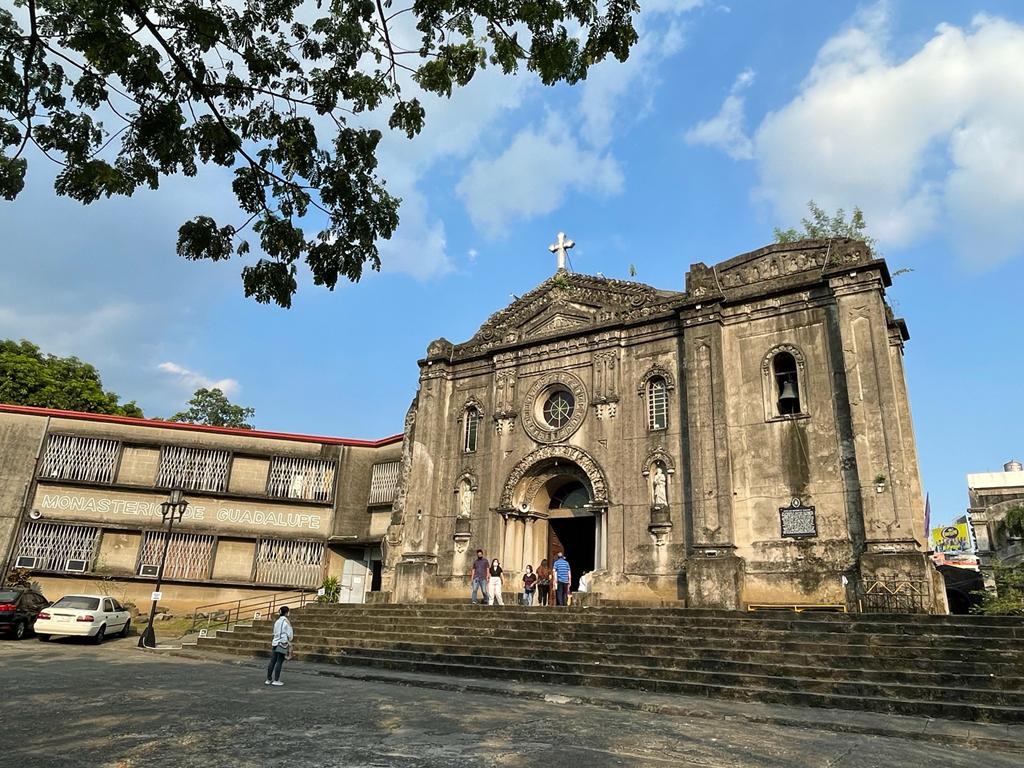
The third church we went to was the Nuestra Senora de Gracia Church in Guadalupe. D had always been raving about this church, but it was the first time we actually went. It has a Baroque architecture, and there is a monastery next to it. I was surprised that this church had the least number of visitors at the time. I liked the facade of the church as it exuded an air of mystery. It was completed in 1630 after all, so it would have been witness to the centuries of Philippine history.
Remember we planned to cycle to 5 destinations that day? We ended up going to only 3, as I overestimated my stamina and realized we had to call it a day when my arms and legs began shaking (there were some uphill drives!).
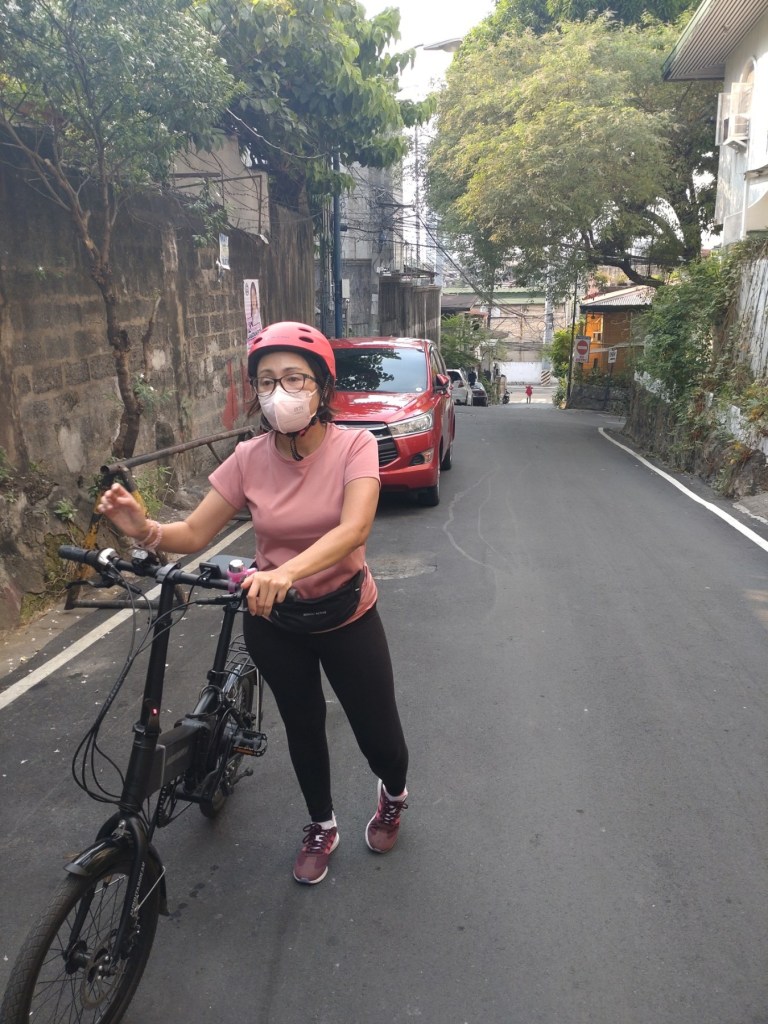
Determined to follow through the plan, in a way, we continued our Visita Iglesia on the following days. This time, I was true to myself and we used the car.
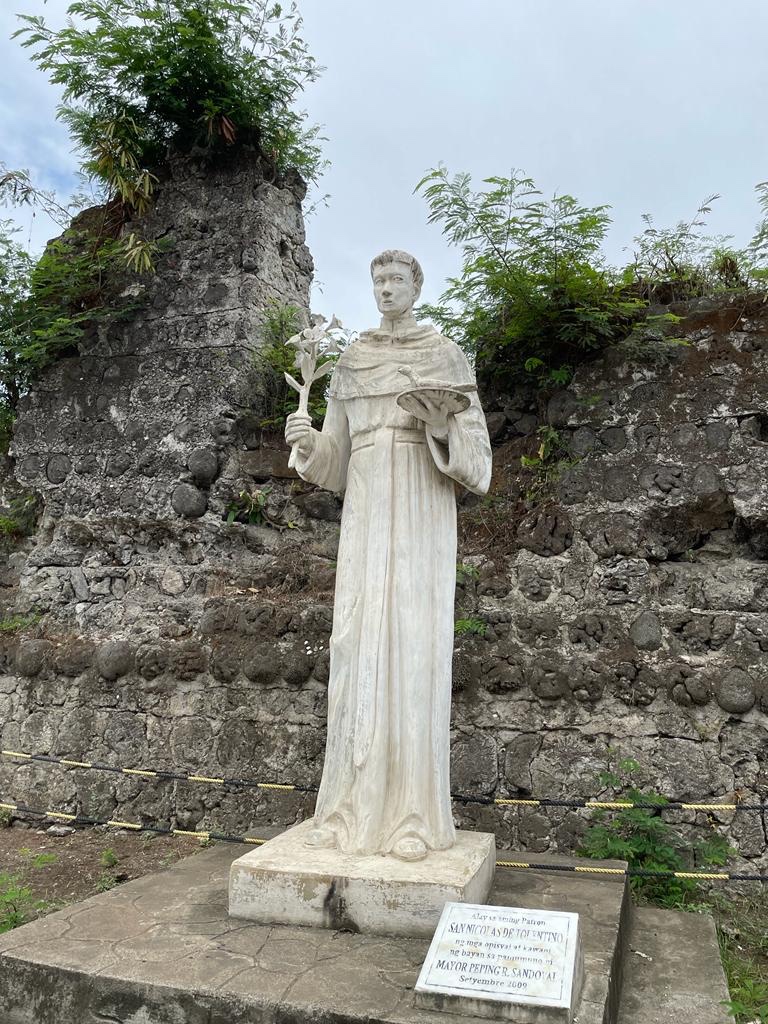
Fourth stop was not really a church, but the Ruins of the Old Taal Church. This was the original of the St. Martin de Tours Basilica of Taal Town. The Old Taal Church (now in ruins) started to be built on the shores of San Nicolas, beside Lake Taal in 1575. In 1754, the town was destroyed by an eruption of the Taal Volcano, hence the town relocated to its location now.
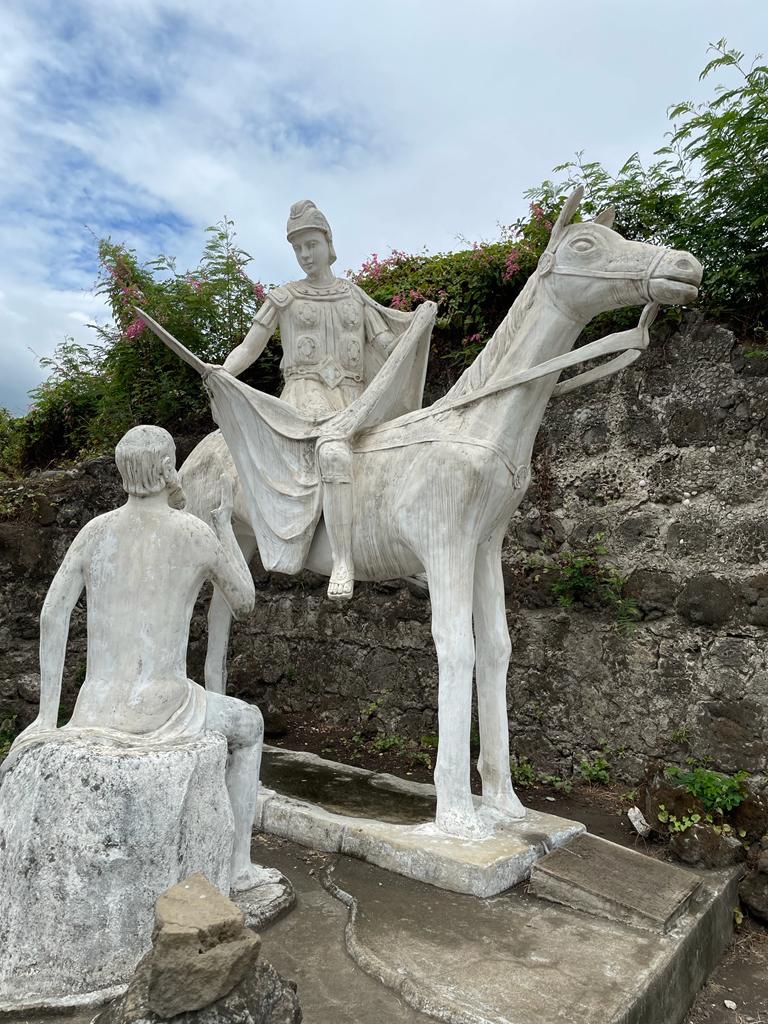
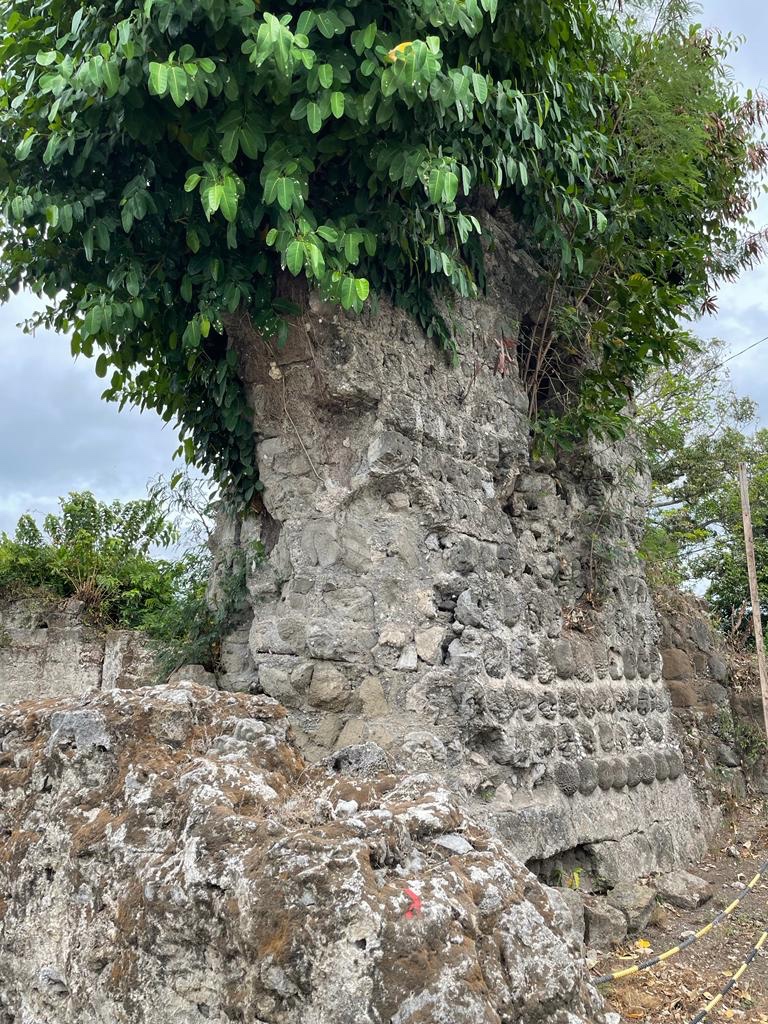
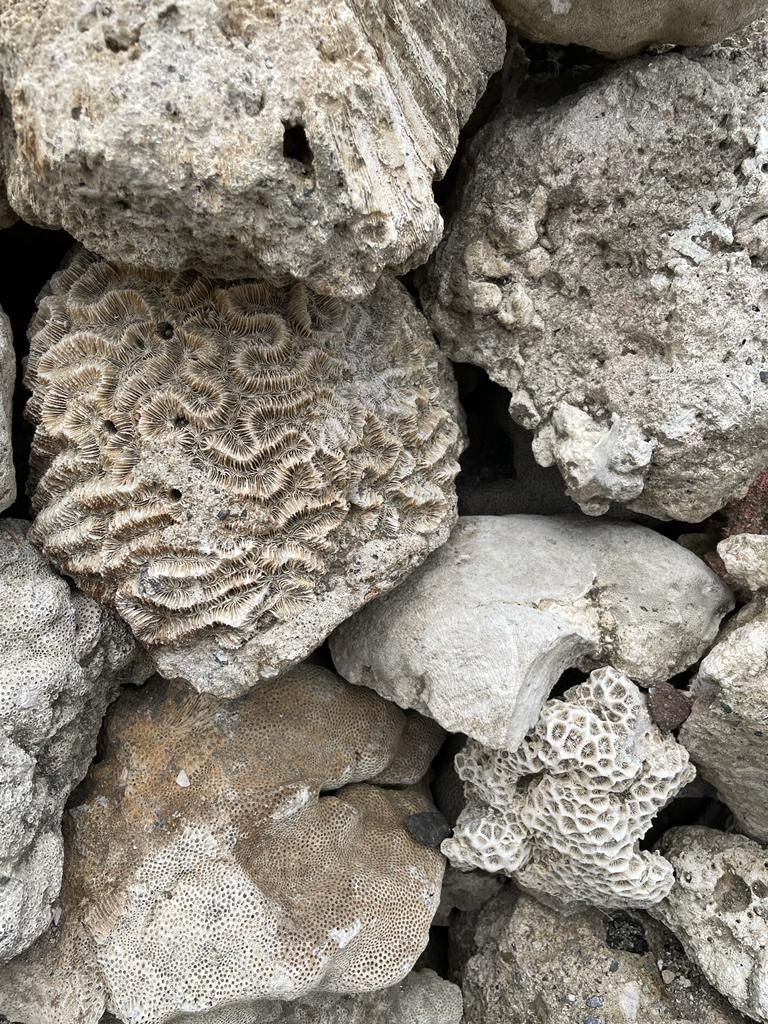


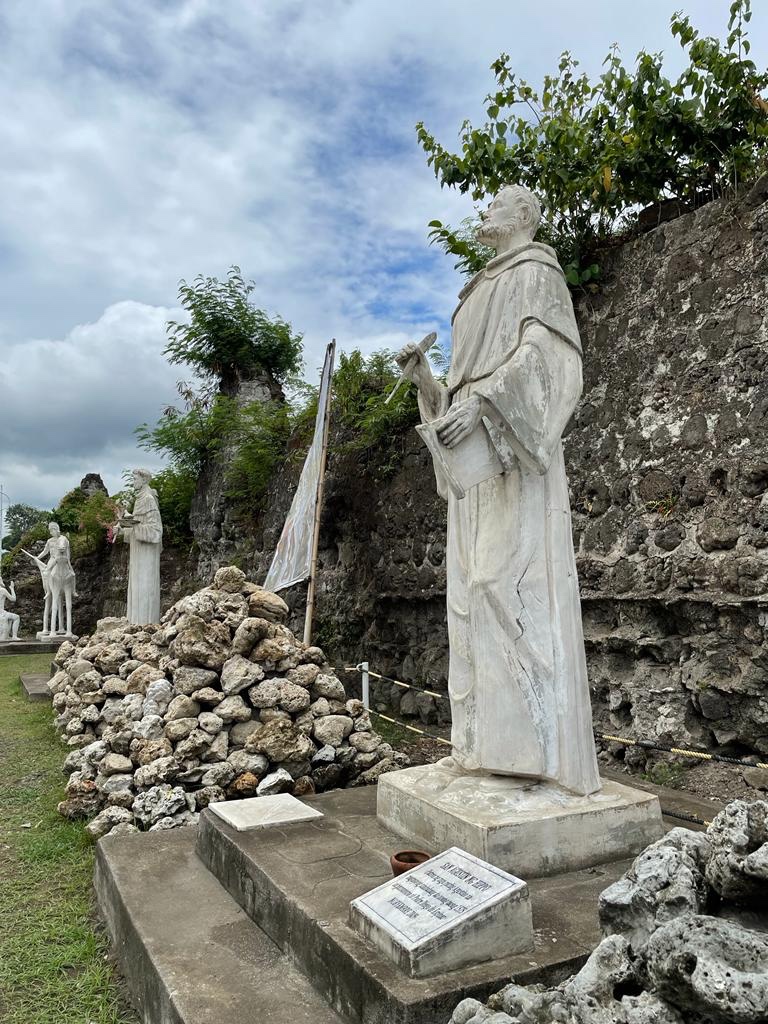
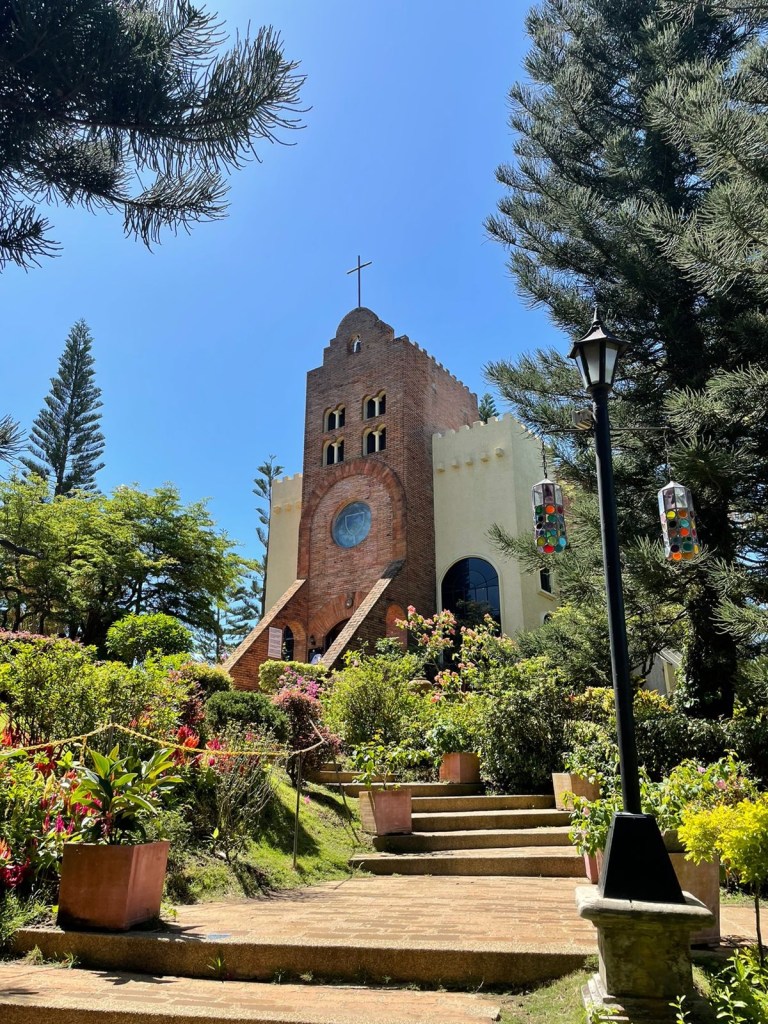
Our fifth stop was the Transfiguration Chapel in Caleruega, Batangas. It is a quaint chapel on top of a hill, and is known for weddings and retreats. The lush green surroundings and the view of Mount Batulao add to the beauty of the place. It’s always one of the serene places that I never tire visiting when I am in the Nasugbu Batangas area.
How was your Easter holiday? Do you also have a tradition similar to our Visita Iglesia?


 Making Each Day Count
Leave a comment