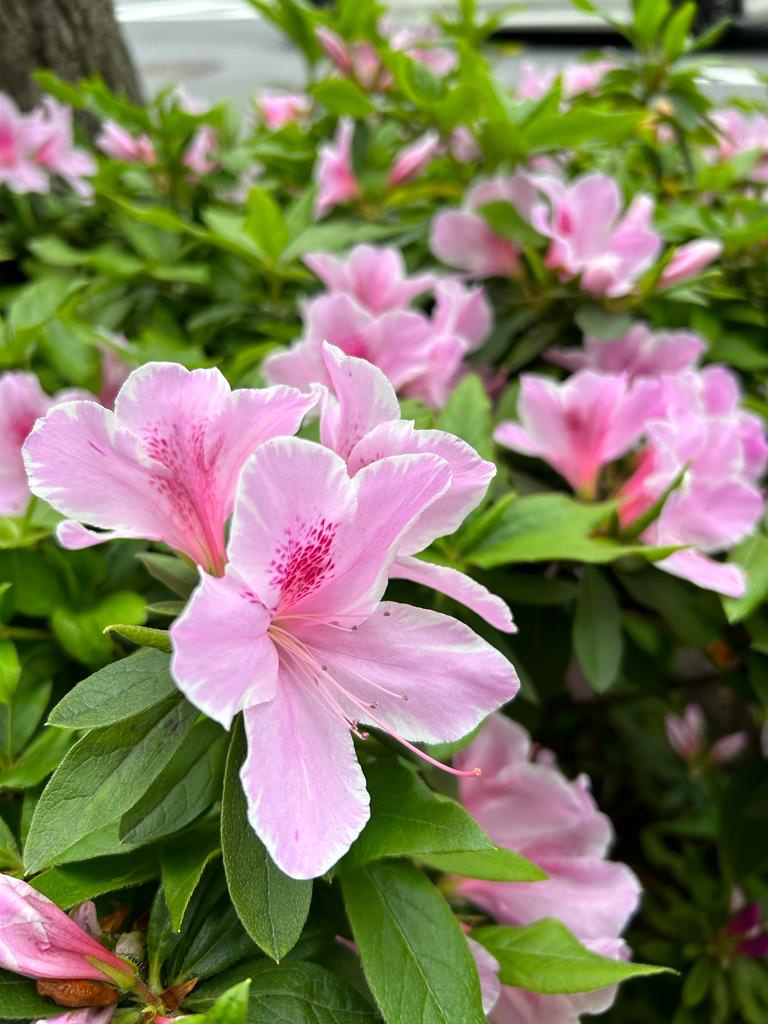
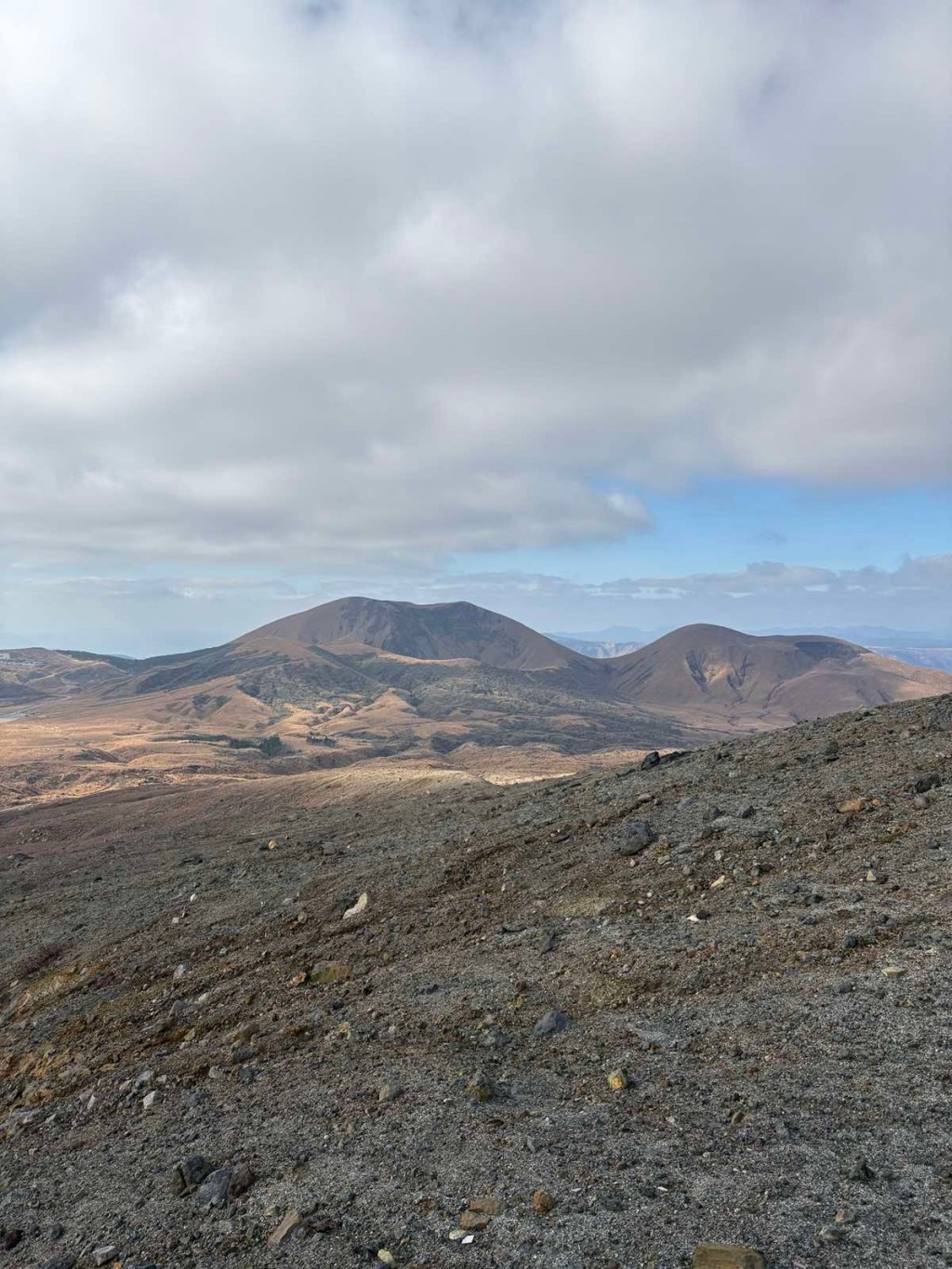
For the second half of our day tour from Fukuoka, we were glad we had booked with Gogoday Travel via the Klook App. Not having to think about logistics or transportation made the experience smoother and stress-free. After our visit to Kumamoto Castle, our tour guide Carey gathered everyone and walked us through the next agenda for the day. We were off to Mt. Aso.
Mt. Aso is one of Japan’s significant natural landmarks. It is home to one of the largest active volcanic calderas in the world, stretching about 25 kilometers north to south and 18 kilometers east to west. The caldera was formed by massive eruptions thousands of years ago and today surrounds several volcanic peaks collectively known as the Aso Five Peaks. Among these, Nakadake remains active and is closely monitored due to its volcanic gases and eruptions. Mt. Aso plays an important role in Japan’s geography and culture, shaping the surrounding farmland with its fertile volcanic soil.
The drive from Kumamoto Castle to Aso Sanjo Terminal took roughly 90 minutes, and it was easily one of the most scenic stretches of the day. As we moved farther from the city, the landscape opened up into rolling green fields and grazing land framed by Mt. Aso’s volcanic peaks.
Mt. Aso has several craters, but Nakadake Crater is the most active and the only one generally accessible to visitors when conditions allow. Other craters, such as Takamadake and Kishimadake, are dormant and form part of the dramatic volcanic landscape. The area’s activity level changes frequently, which is why access is strictly controlled.
We offloaded at Aso Sanjo Terminal, where Carey went ahead to secure our passes for the shuttle bus that would bring us closer to the crater. While waiting, we took advantage of a toilet break and browsed the souvenir shops filled with Kumamon merchandise. Kumamon is Kumamoto Prefecture’s beloved black bear mascot, easily recognizable with his round red cheeks and playful expression.
Carey then explained an important safety reminder: access to the Nakadake Crater depends entirely on on-site volcanic conditions. There was always a possibility that the visit could be canceled if gas levels were unsafe. She also asked if anyone had asthma, heart conditions, or other lung issues, as volcanic fumes can pose serious risks. Fortunately, we received the go signal, and soon we were back on the bus heading up toward the crater.
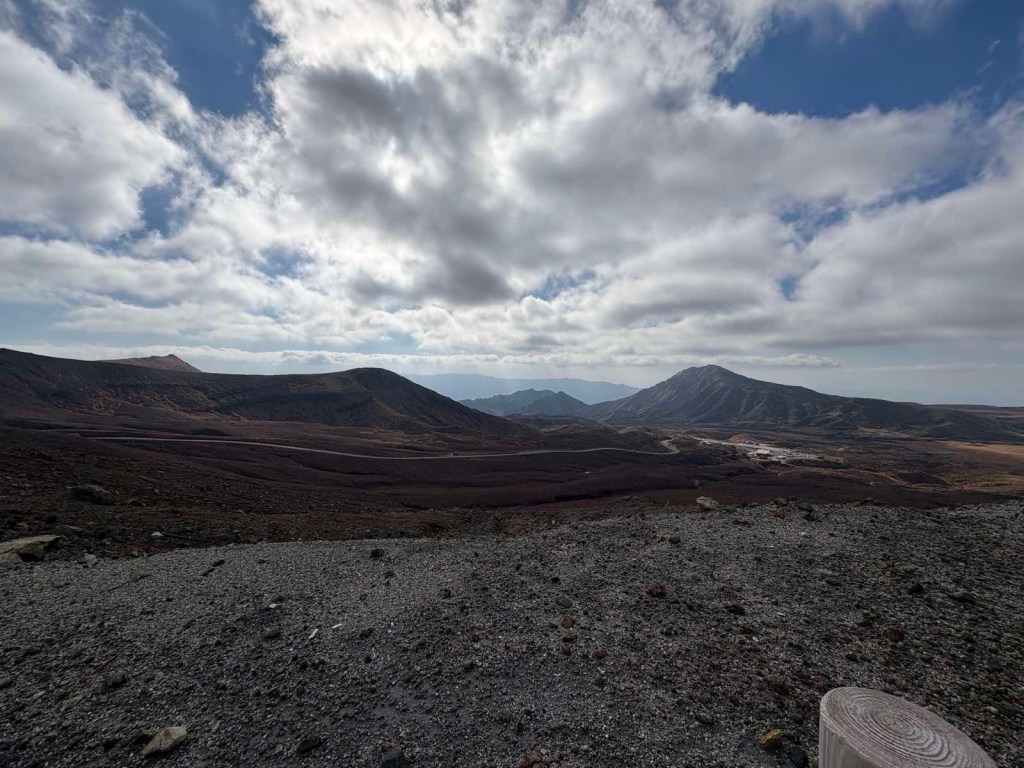
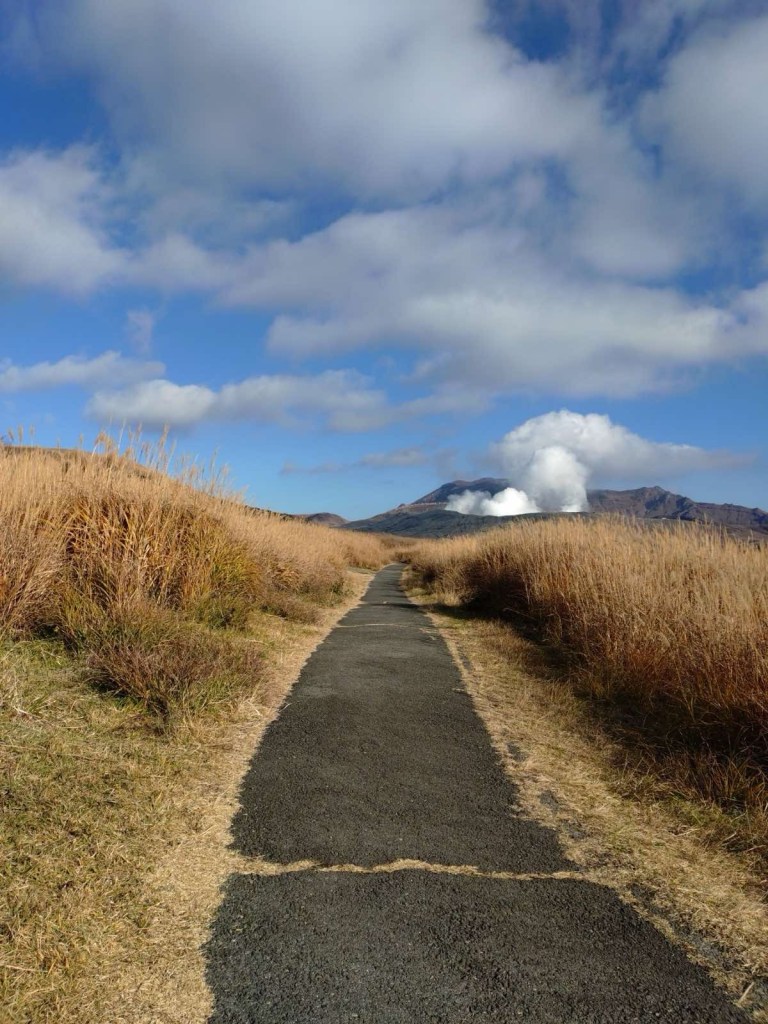
From the parking area, the walk to the crater viewpoint was only about a hundred meters. While we couldn’t get close enough to see the crater lake that day, we could still observe steam rising from the crater’s edge. Safety barriers lined the path, and announcements played intermittently as reminders of the volcanic activity. Despite the restrictions, the panoramic view of the caldera was breathtaking. Standing there, we could not help but reflect on both the beauty and power of nature.
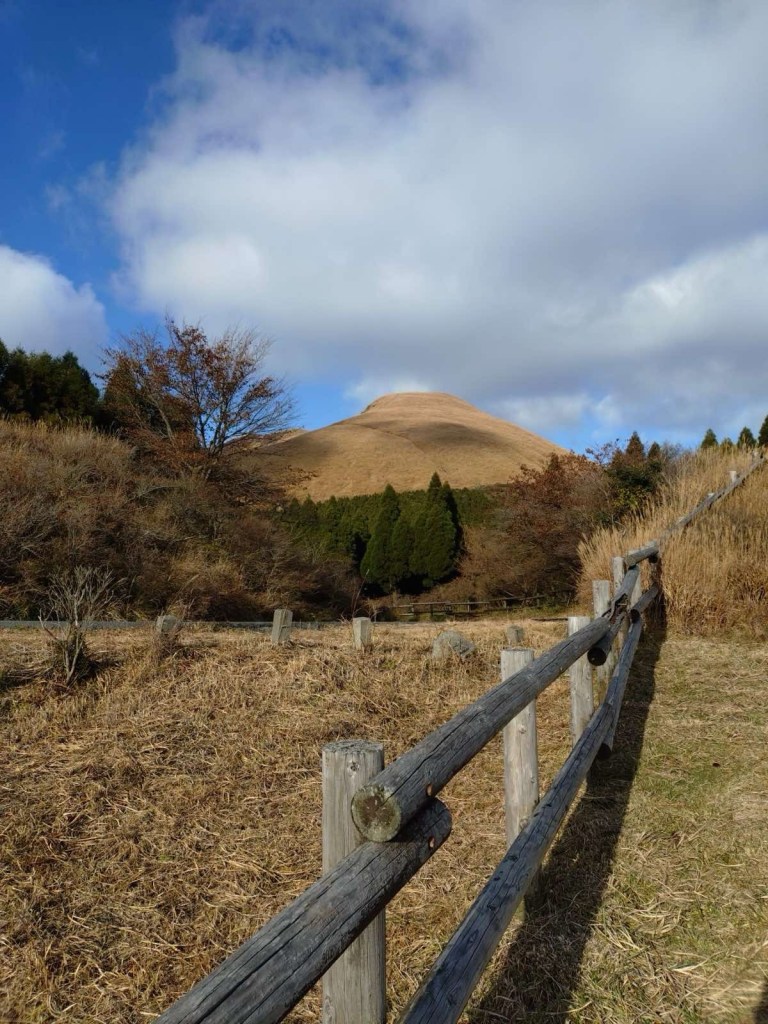
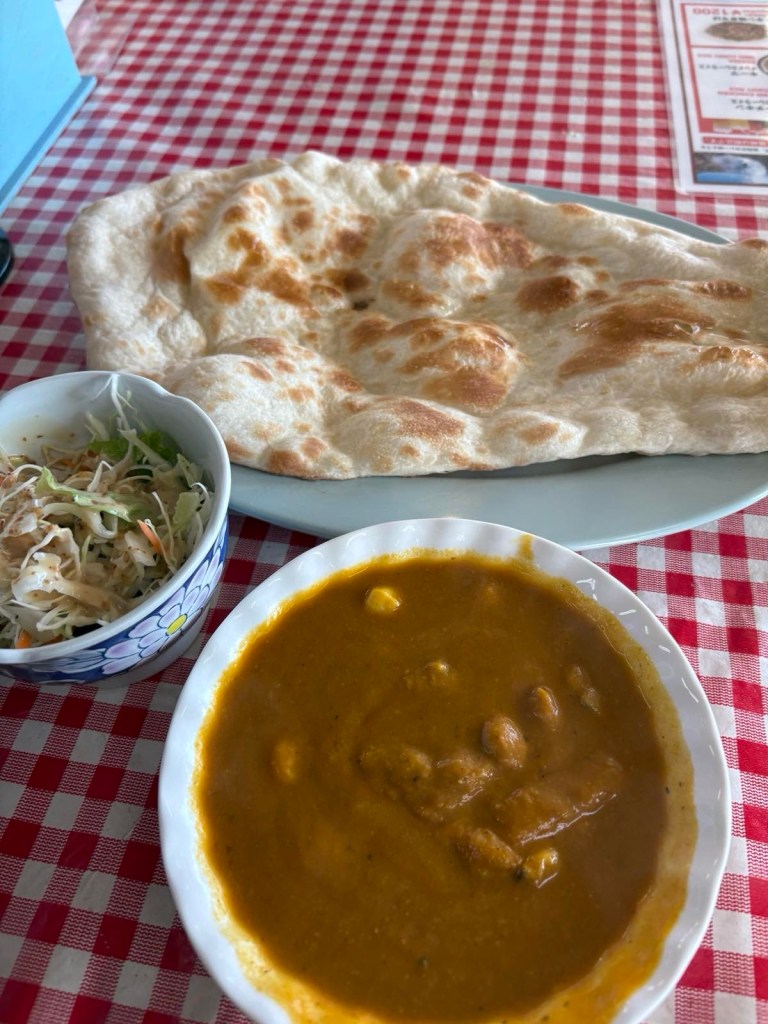
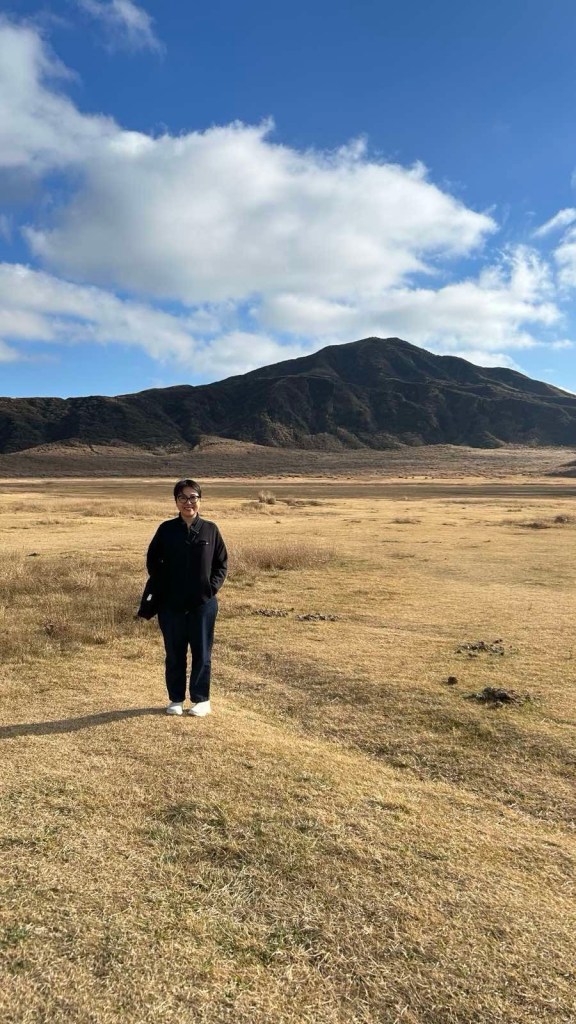
After returning to the bus, we headed to our final destination: the grasslands near Mt. Aso. We had a couple of relaxed hours walking around, taking photos, and simply enjoying the open landscape. Near the parking lot were several restaurants and a souvenir shop. D tried Aso beef, known for its rich flavor, while I opted for naan and curry at a neighboring restaurant.

On our way back to Fukuoka City, we made a short stop at Aso Roadside Station, where local produce and regional goods were sold. D and I picked up bread and butter for breakfast at the AirBnB where we would be staying for the rest of our Fukuoka vacation.
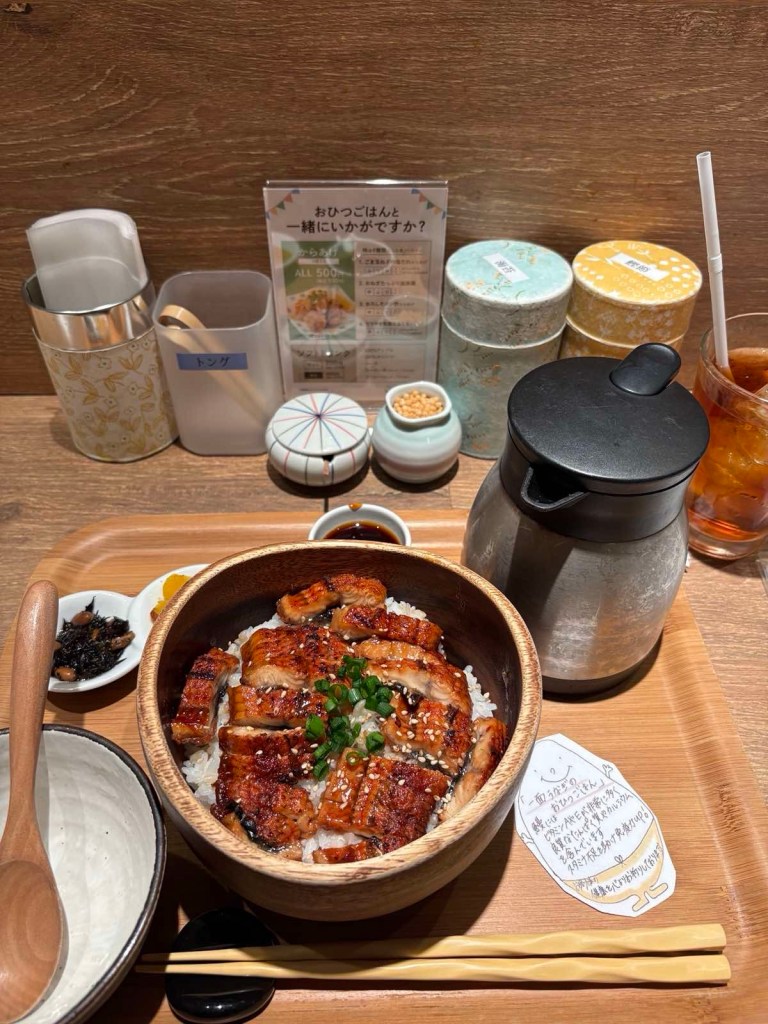
The drive back took a few hours due to heavy traffic as we approached the city. When we arrived at Hakata Station, we wrapped up the day with dinner at Komeraku Ochazuke – Hakata Deitos Shop. I ordered my usual unagi meal, and the experience ended on a warm note when the staff included a handwritten message wishing me good health. They explained that eel served over rice is rich in vitamins A and E, high-quality protein, and calcium, all of which help boost immunity and stamina.
It was a long day, but one filled with fascinating landscapes, thoughtful moments, and a deeper appreciation for Japan’s natural wonders.


 Making Each Day Count
Leave a comment