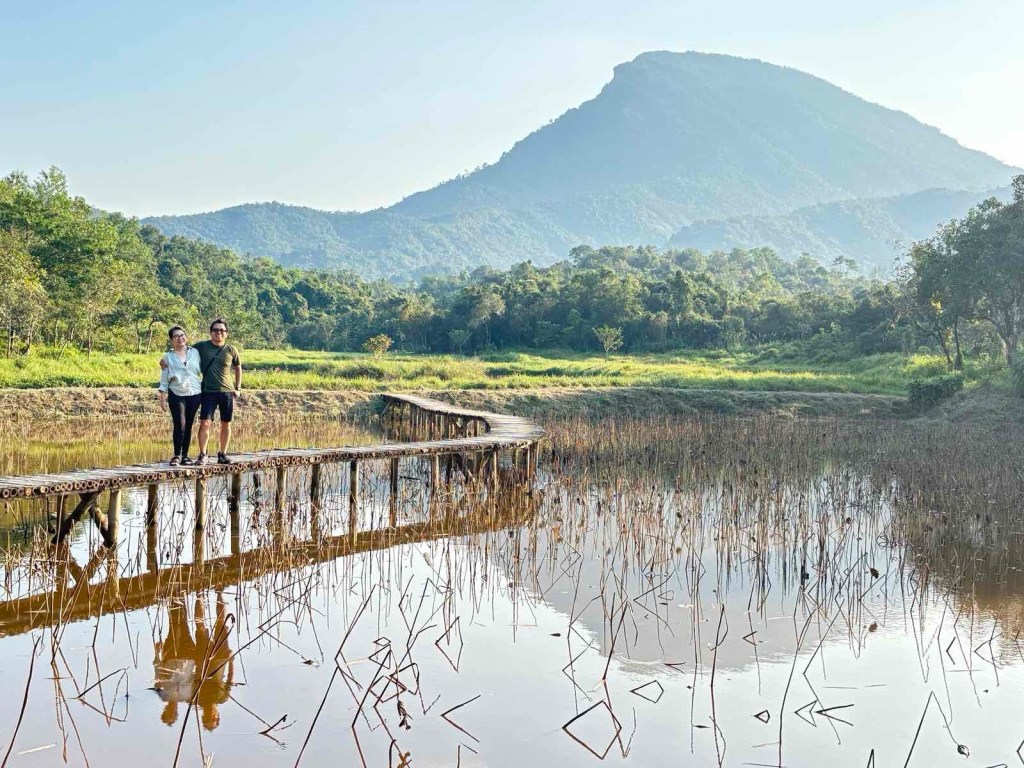
On our second day in Hoi An, D woke up earlier than I did to catch the morning scene. By the time he returned to Lantana Boutique Hotel, I was already awake just in time for a hearty hotel breakfast.
At 8:45 AM, I headed out on foot to Hoi An Pilates Studio. It was about a 2-kilometer walk from the hotel, and I arrived a good 15 minutes before the reformer class I had signed up for. The group session was fun, adequately intense and gave me the energy I needed for that day. It felt good to keep up my weekly workout even while traveling. Since I started joining group classes when we went to Fukuoka late last year, I’ve been braver in including workout classes in my travels.
After class, I walked back toward the Old Town to meet D. We wandered through the shops, taking our time, until D found something that caught his attention. He ended up buying three handmade pop-up greeting cards from a local vendor, declaring them his Hoi An souvenirs.
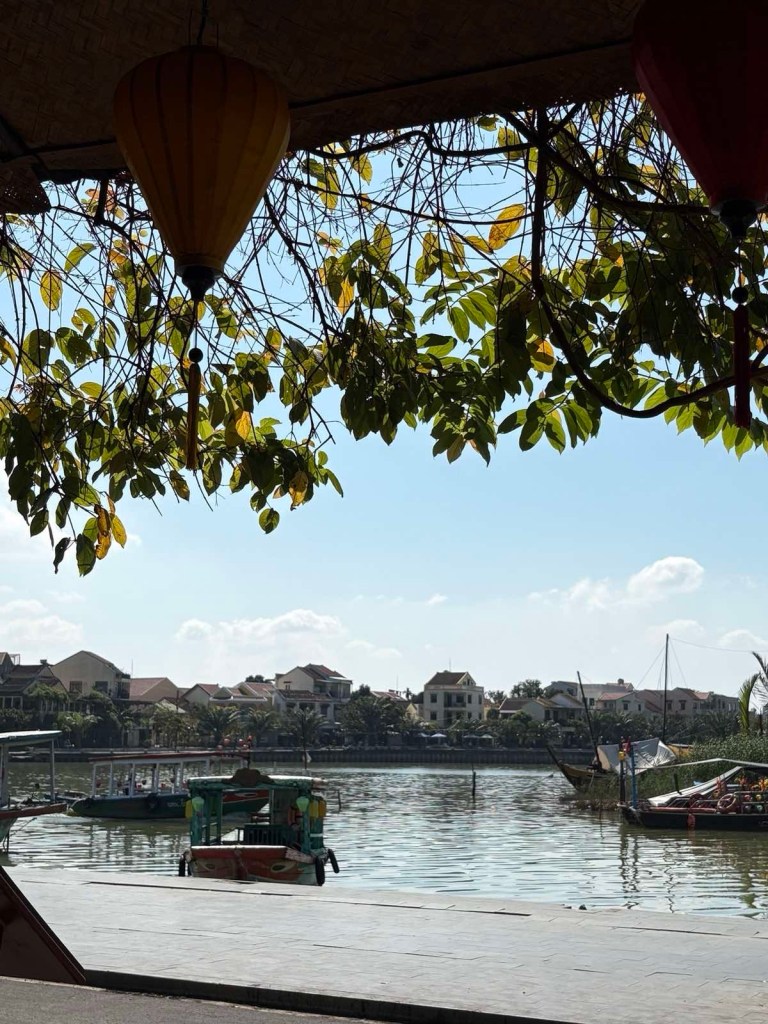
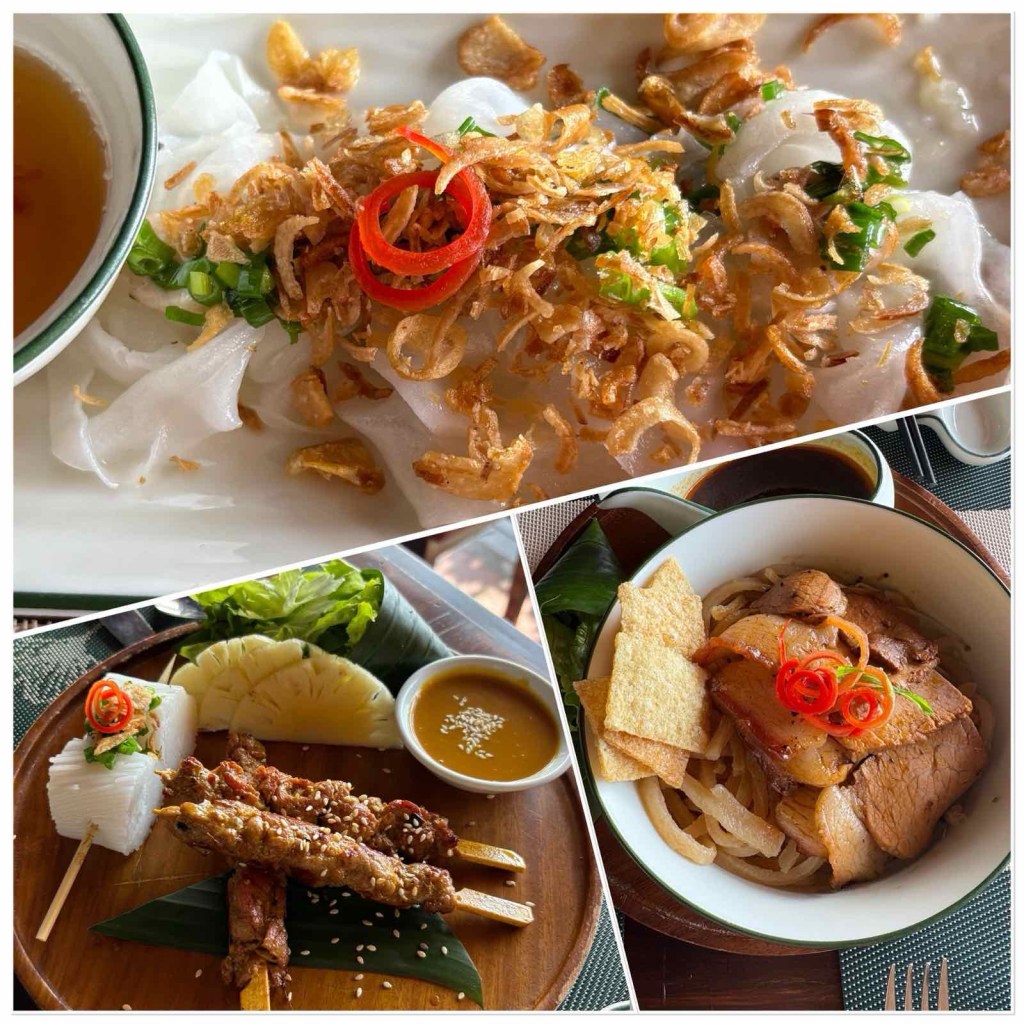
For lunch, we made our way to Hoi An Heart Restaurant along the riverside. Our table had a lovely view of the water, and while waiting for our food, we watched boats and bicycles pass by. I got white rose dumplings, which I had now eaten two days in a row and is officially my favorite Hoi An dish. D had cao lầu, a local specialty made with thick, chewy noodles, pork, greens, and croutons. The dish is said to be unique to Hoi An, traditionally made using water from ancient wells in the Old Town. D also had grilled beef skewers, and everything tasted as heartfelt as the restaurant’s name promised.
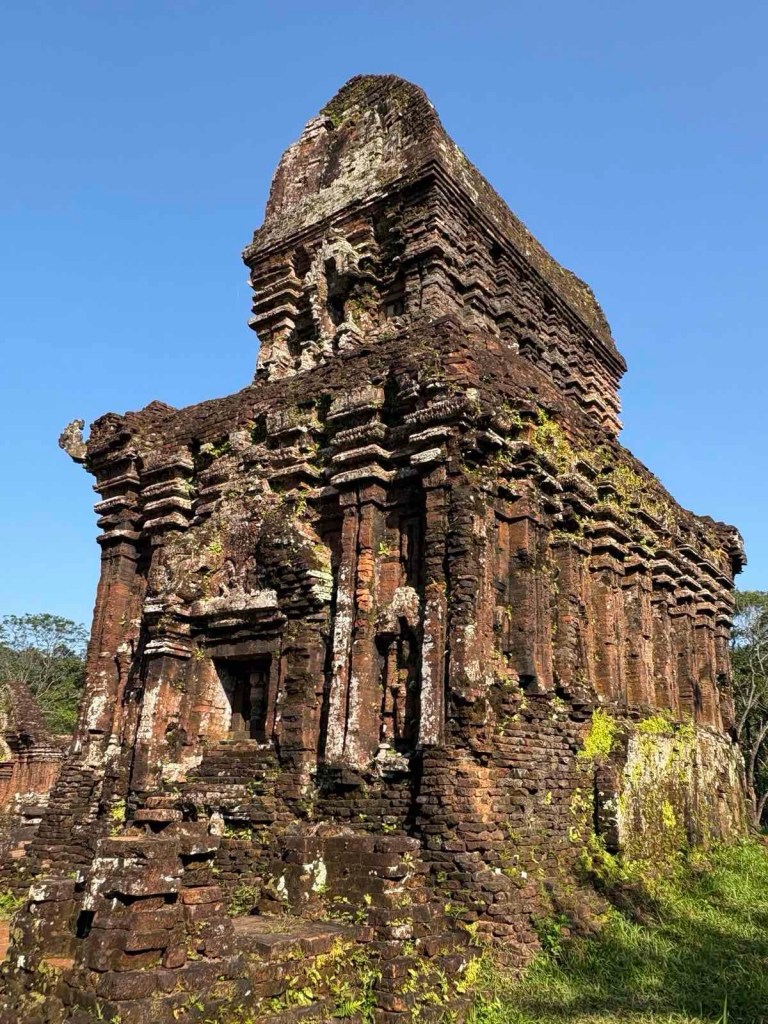
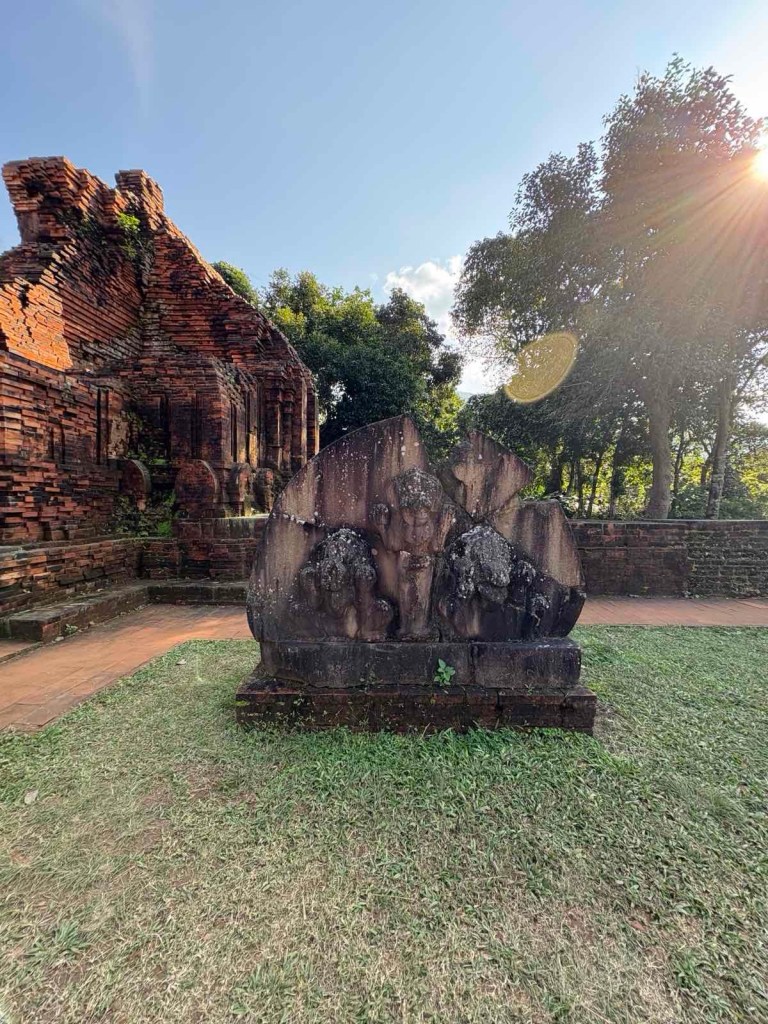
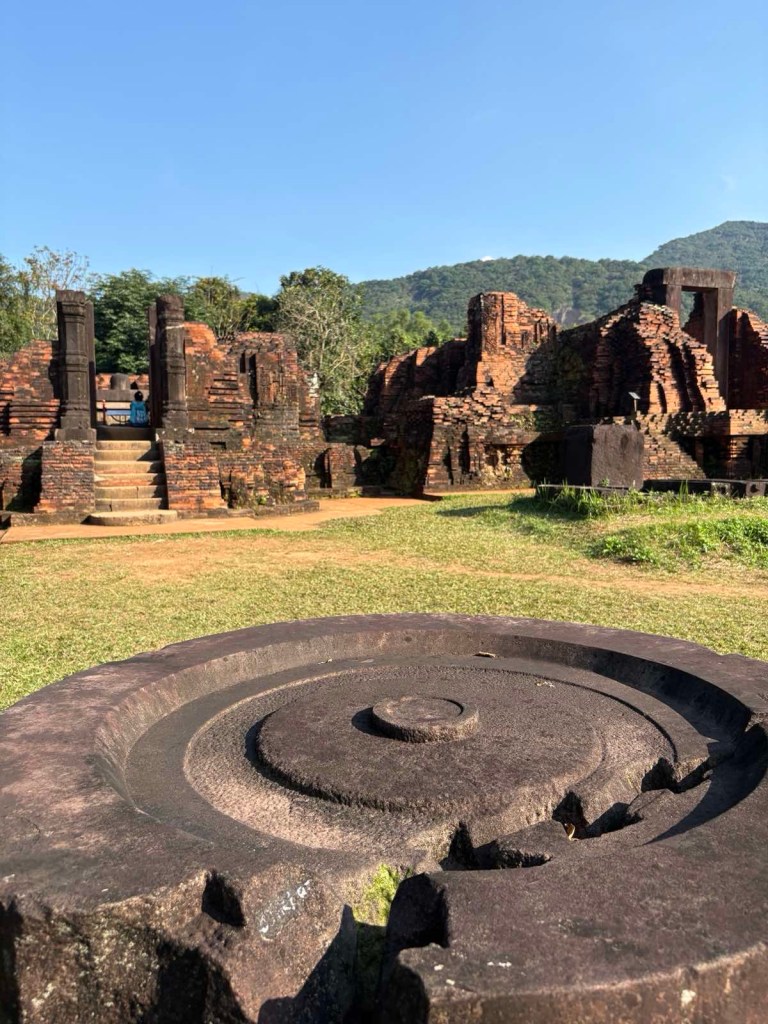
After lunch, we walked back to the hotel to change for our afternoon half-day tour to Mỹ Sơn. Our guide picked us up at 1:30 PM, and we joined a small group of about ten other visitors. The drive took around an hour, during which our guide shared stories about its history. Mỹ Sơn translates to “beautiful mountain” in Vietnamese and is actually older than Cambodia’s Angkor Wat. Built by the Champa people of Central Vietnam between the 1st and 14th centuries, it is a complex of Hindu temples that once served as a religious and political center.
In 1306, a Champa king married a Vietnamese princess, and shortly after, Vietnam took over the land. The king died just a year later, and with no royal family left, the site faded from local memory. It wasn’t until the French studied the area in the 19th century that Mỹ Sơn regained attention. Over time, it suffered damage from war and human activity, but restoration efforts began in 1991. The French also established the Cham Museum in Da Nang in 1923, near today’s Dragon Bridge, to preserve artifacts from the civilization.
Upon arrival, we boarded an electric shuttle that took us through a lush forest. Once off, we walked through the valley, surrounded by landscapes with mountains standing in the distance. The temple complex is divided into several groups, often referred to by letters. Tourists can explore a few main clusters that remain standing, each revealing different stages of Champa architecture and craftsmanship.
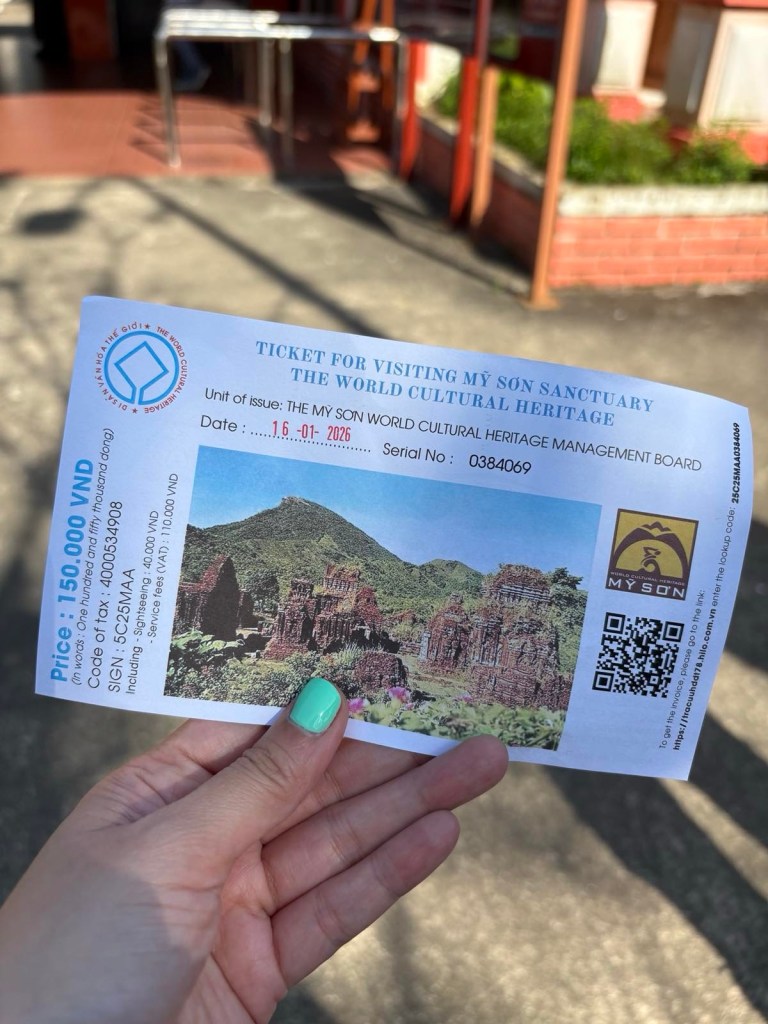
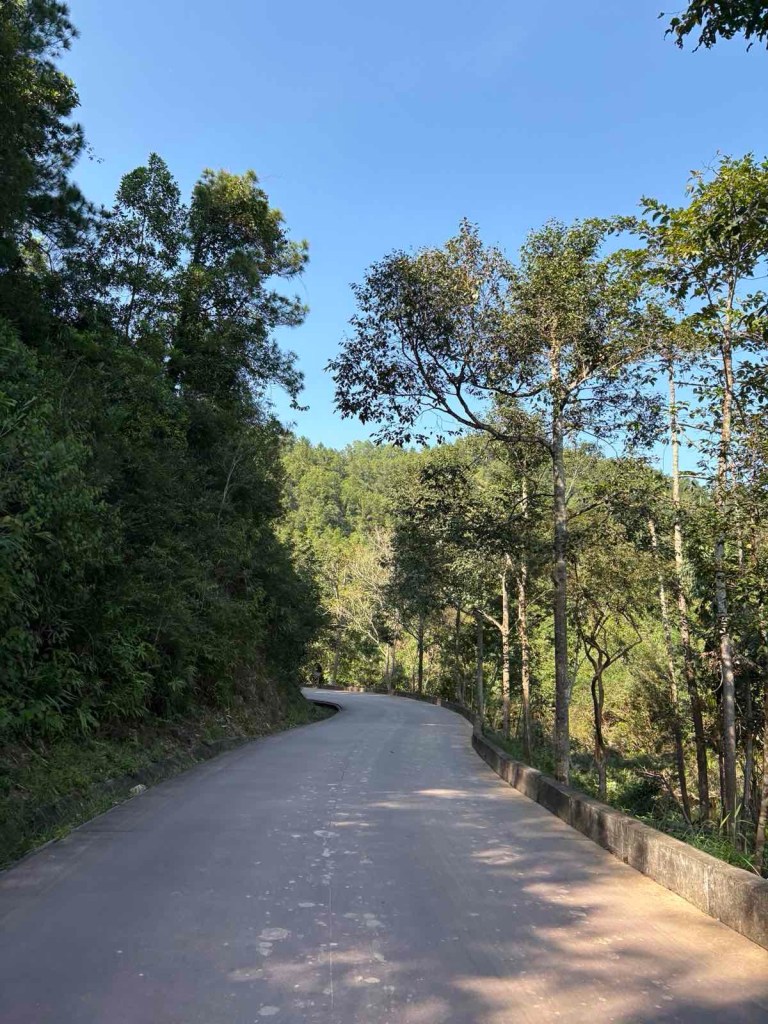
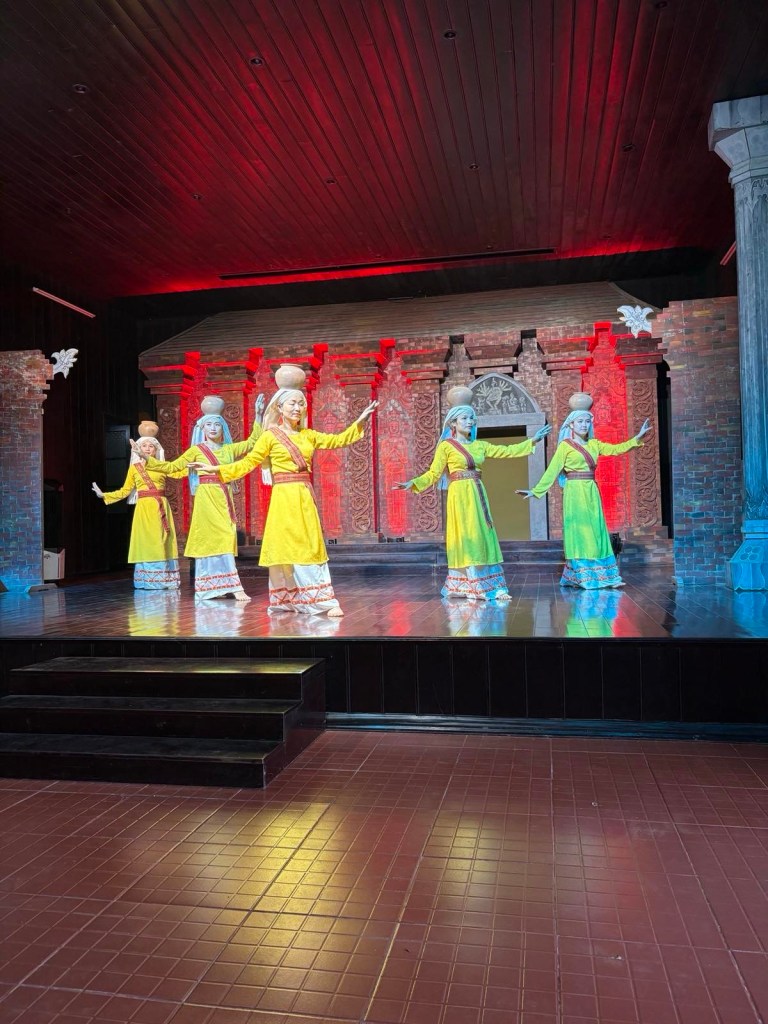
We had about 75 minutes to explore, take photos, and admire the intricate carvings and brickwork. Afterward, we gathered to watch a short cultural presentation by the Mỹ Sơn staff. There were three acts: a traditional dance, a flute-like musical performance played by an award-winning artist, and a final dance. It was brief but beautifully done, a graceful conclusion to our visit.
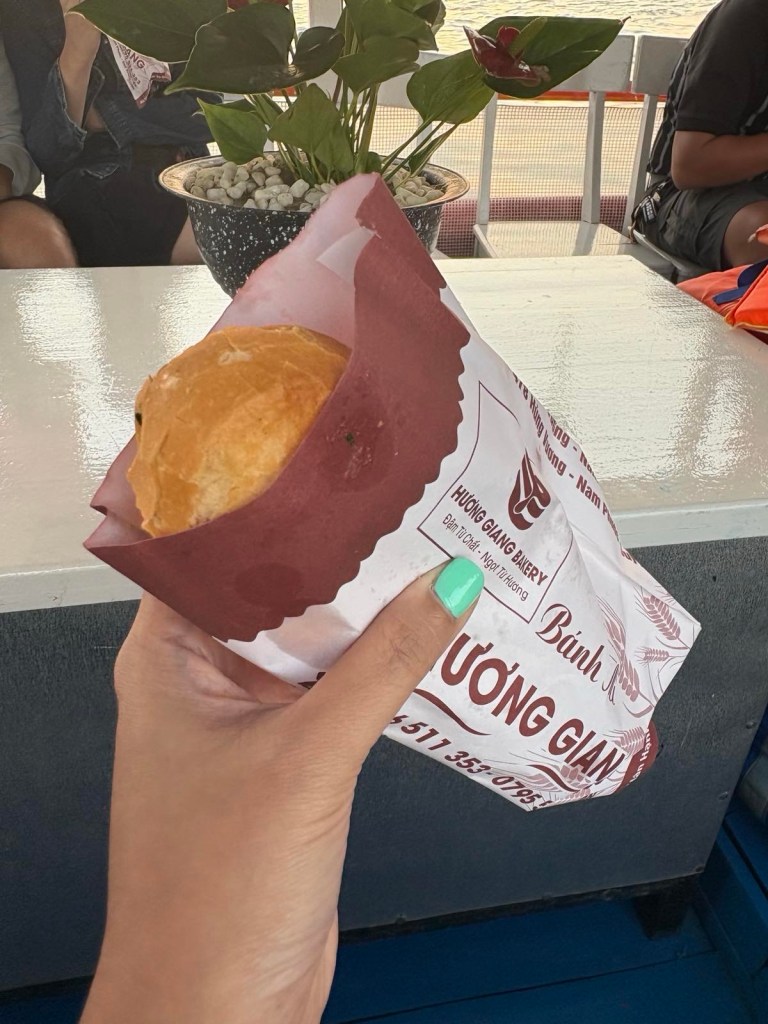
On the way back, our guide stopped by a local bakery to pick up light snacks for us. Shortly after, we were dropped off near a dock, where we boarded a boat just in time for sunset. As we cruised back toward Hoi An’s Old Town, we watched birds flying homeward while enjoying our banh mi.
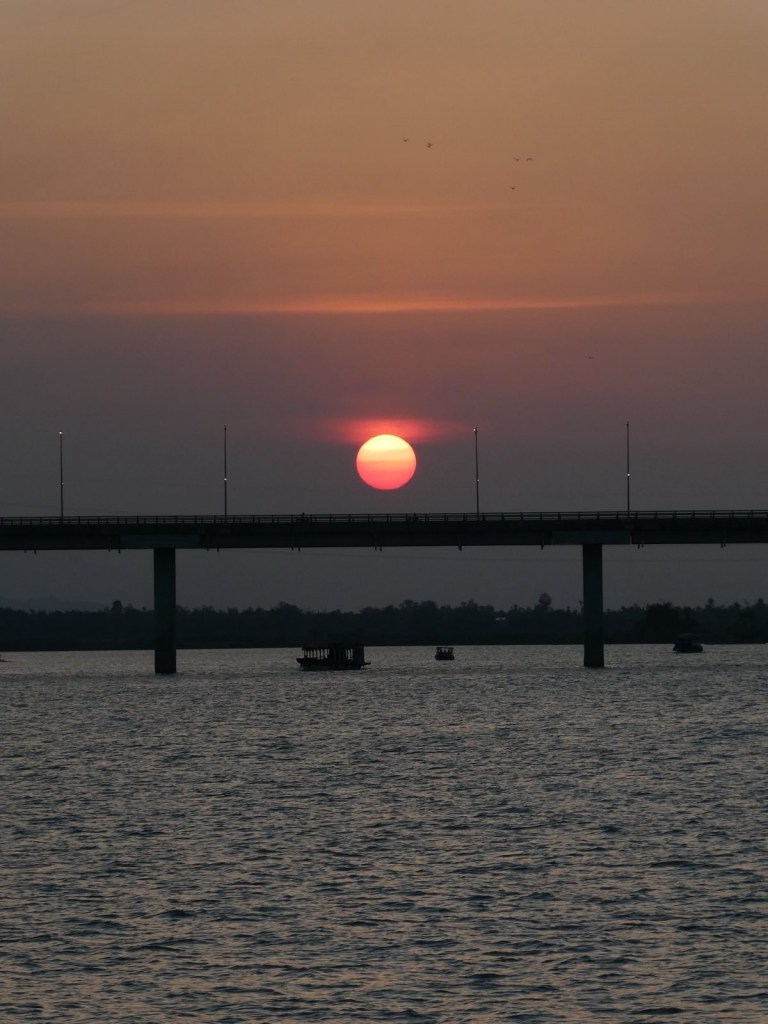
We disembarked near the Hoi An Night Market, already buzzing with life. A crowd had gathered on the bridge, and D and I squeezed our way through to the post office so I could send postcards to family.
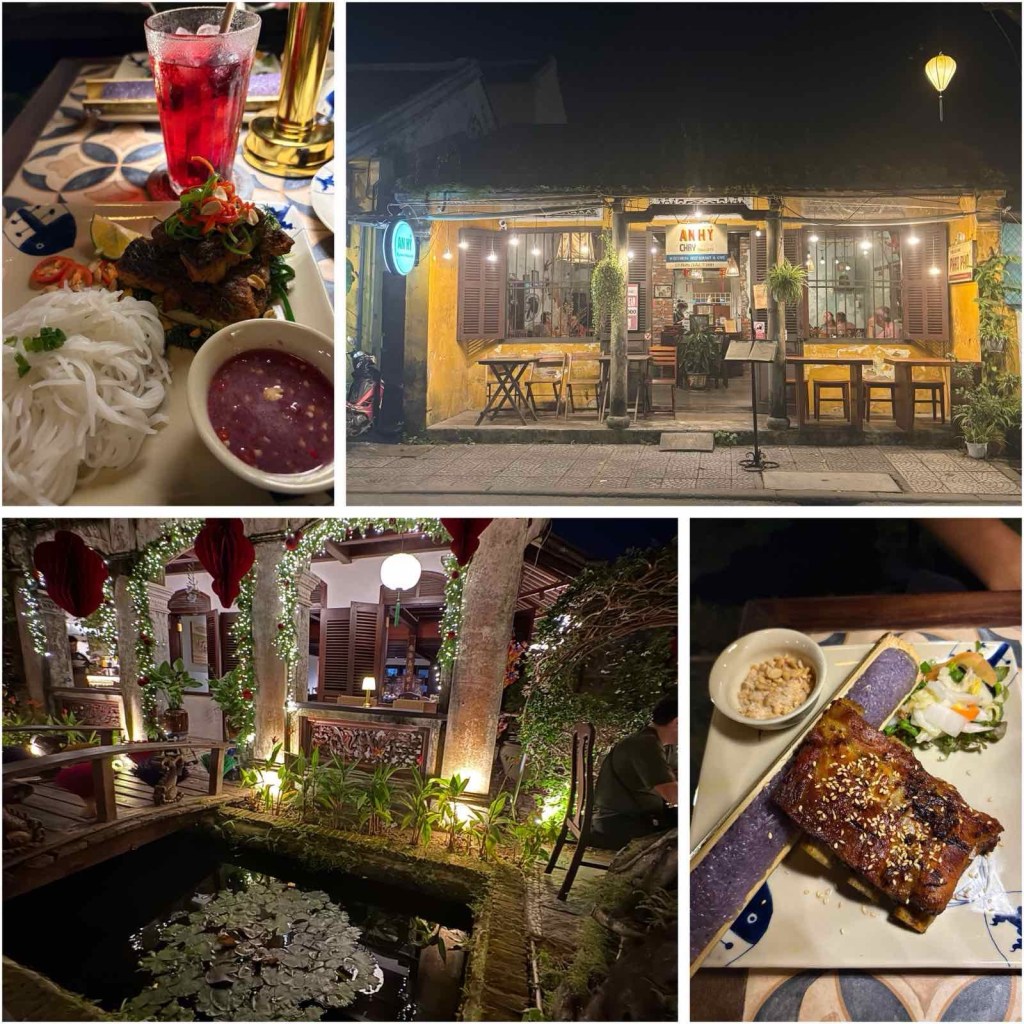
Dinner was at Anabas Restaurant – Cá Rô Đồng Quán, a quiet garden restaurant with a warm ambience. I ordered chả cá Lã Vọng, a fragrant fish dish, while D had sườn tảng nướng ăn kèm cơm lam, a grilled meat dish served with bamboo-cooked rice. We left with happy tummies.
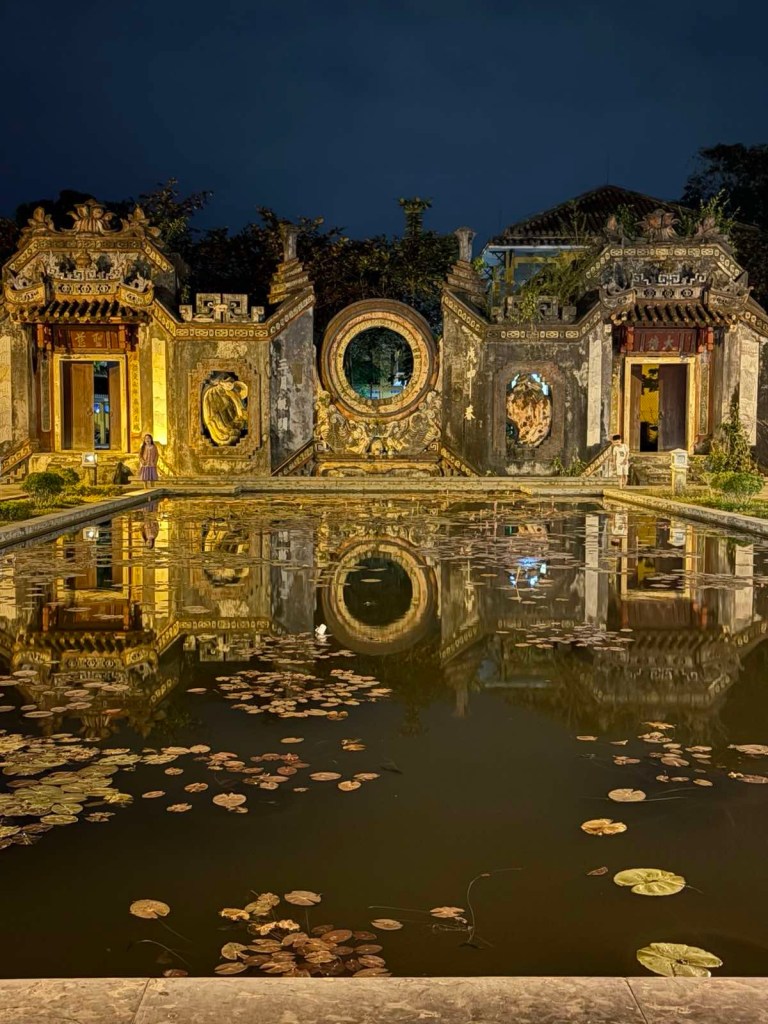
On the way back to the hotel, we passed by the Ba Mụ Temple Gate, which immediately caught our attention with its brightly lit façade. Once part of a larger temple complex, the remaining gate stands beautifully.
That wrapped up our second day in Hoi An. We covered a lot of ground, and with every step, we found ourselves falling more in love with this trip.


 Making Each Day Count
Leave a comment