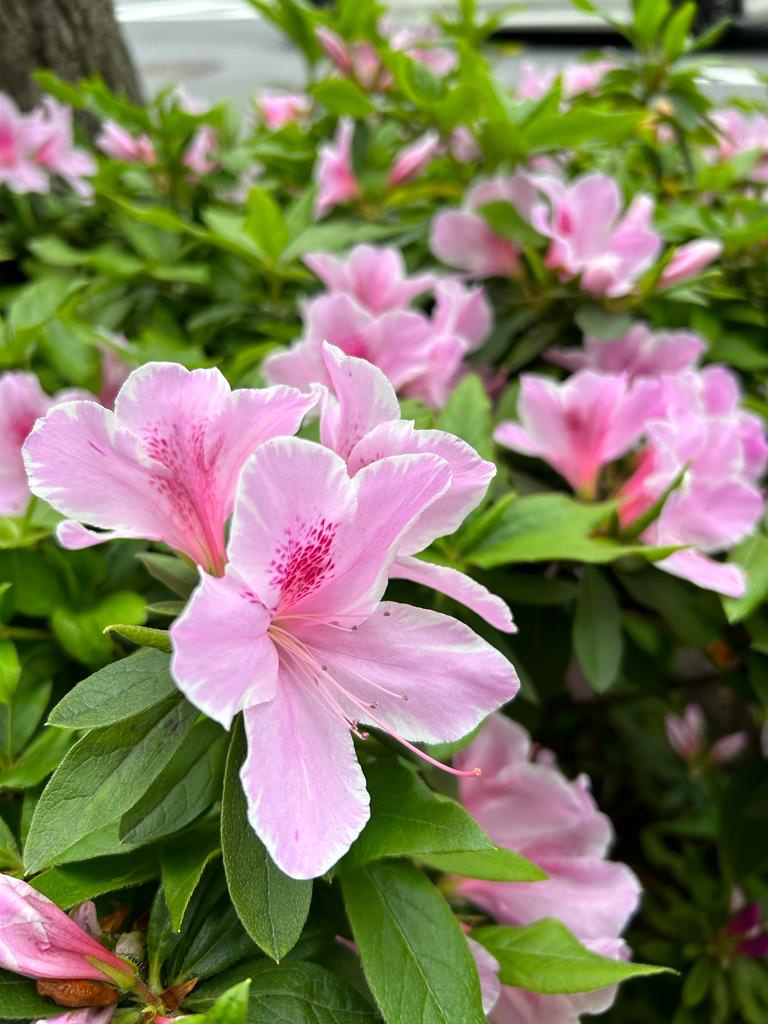
Our second day in Beijing started with breakfast at the hotel before heading out on foot to the Lama Temple. It took about an hour to get there, but the walk itself was interesting. Along the way, I noticed several bird nests on bare trees, which was a nice surprise.
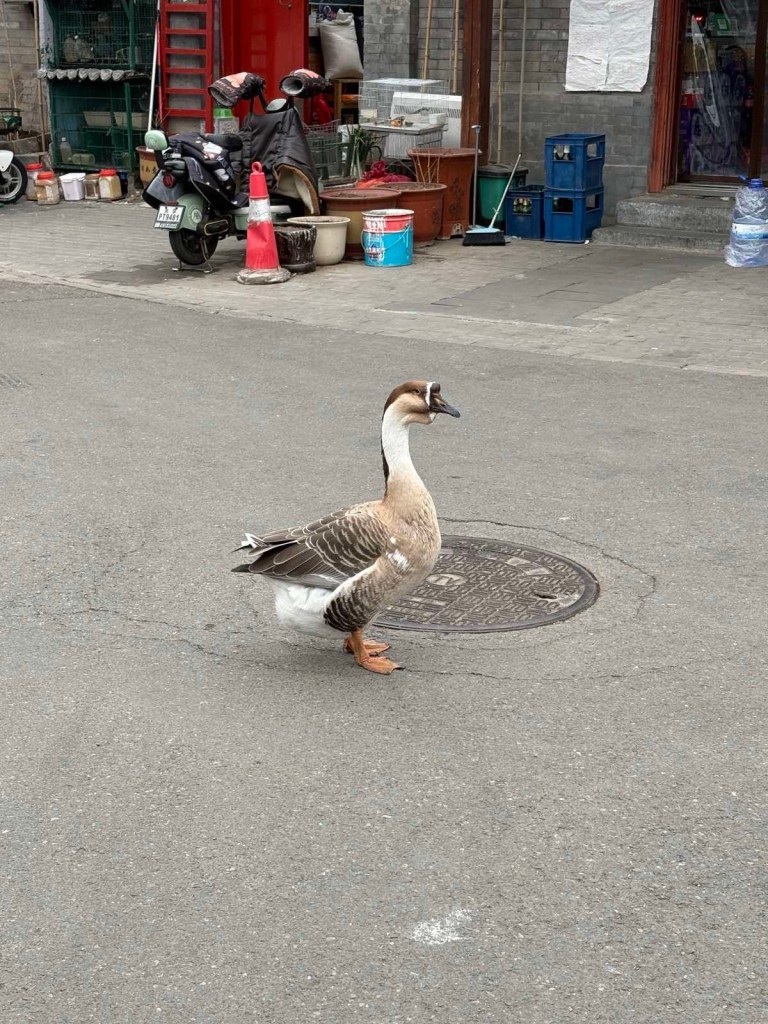
We also passed through a hutong, a type of traditional Beijing alley lined with old courtyard homes. These neighborhoods show a glimpse of everyday local life, with small shops and homes closely built together. In one of the alleys, we came across a goose that seemed very comfortable around people, like it was part of the neighborhood.
When we arrived at the Lama Temple, it was already busy with visitors. Fortunately, the line for tickets moved quickly, and paying through Alipay made things easy.
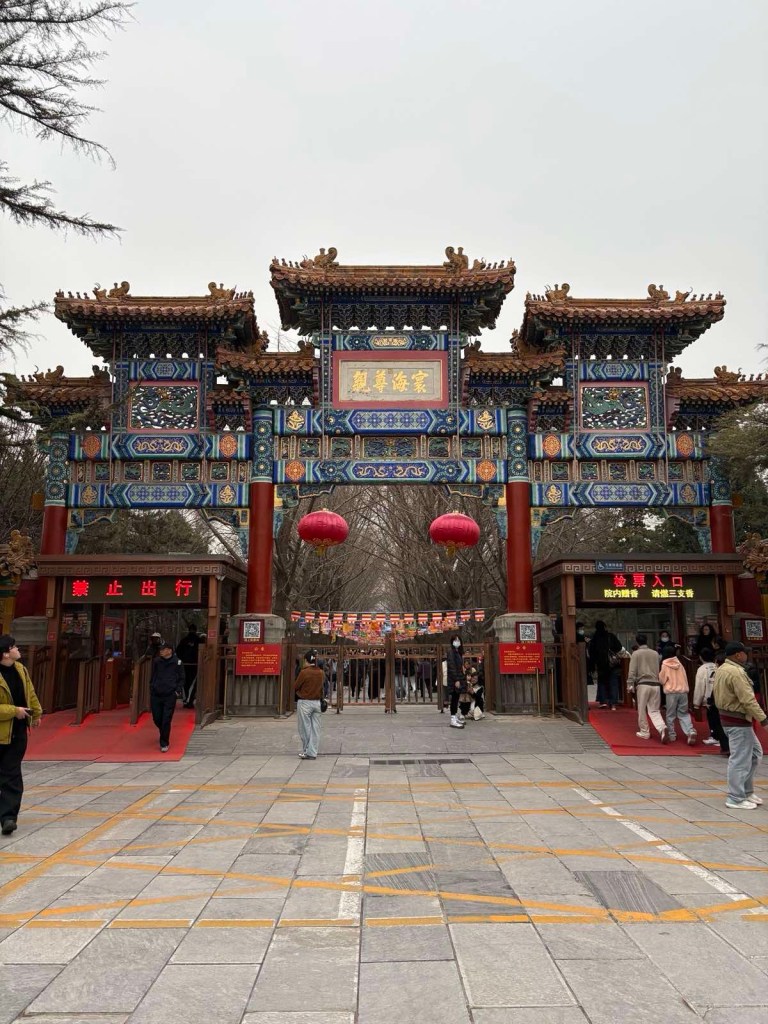
From the entrance, the temple is laid out in a series of courtyards connected by walkways, leading us deeper into the complex. Each section has traditional buildings with detailed roofs, carvings, and painted beams. As we walked through, I appreciated the craftsmanship in the structures. Incense was being burned throughout the grounds, and in some areas, the smoke was quite strong. Despite the crowd, the place still felt calm overall.
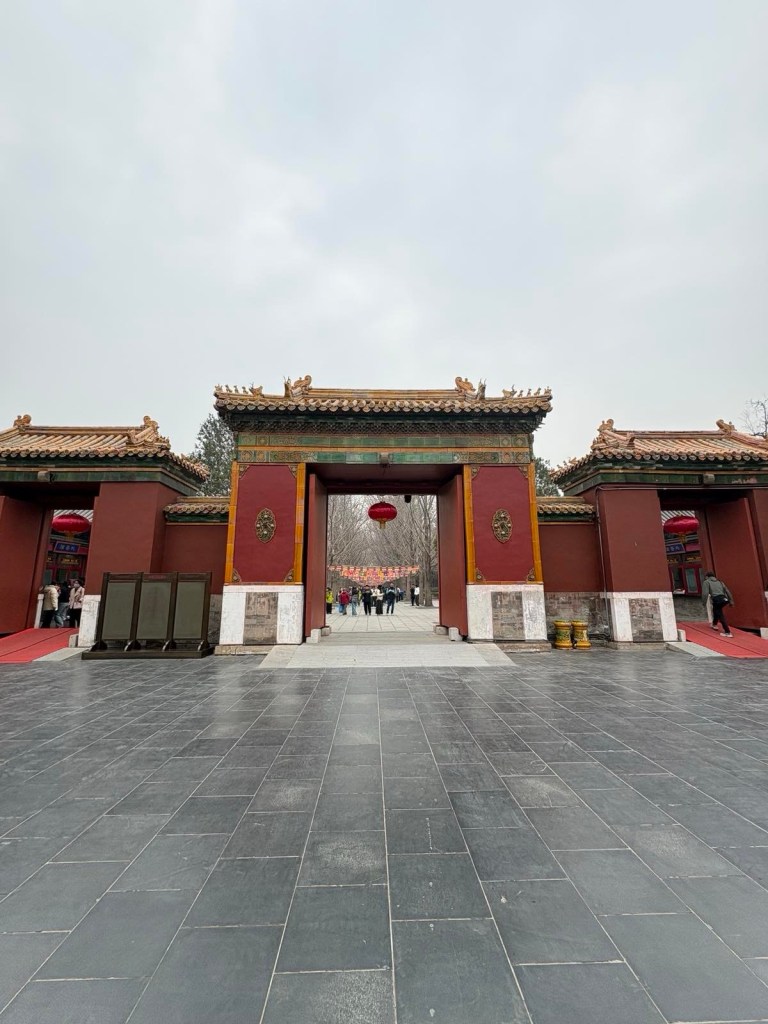
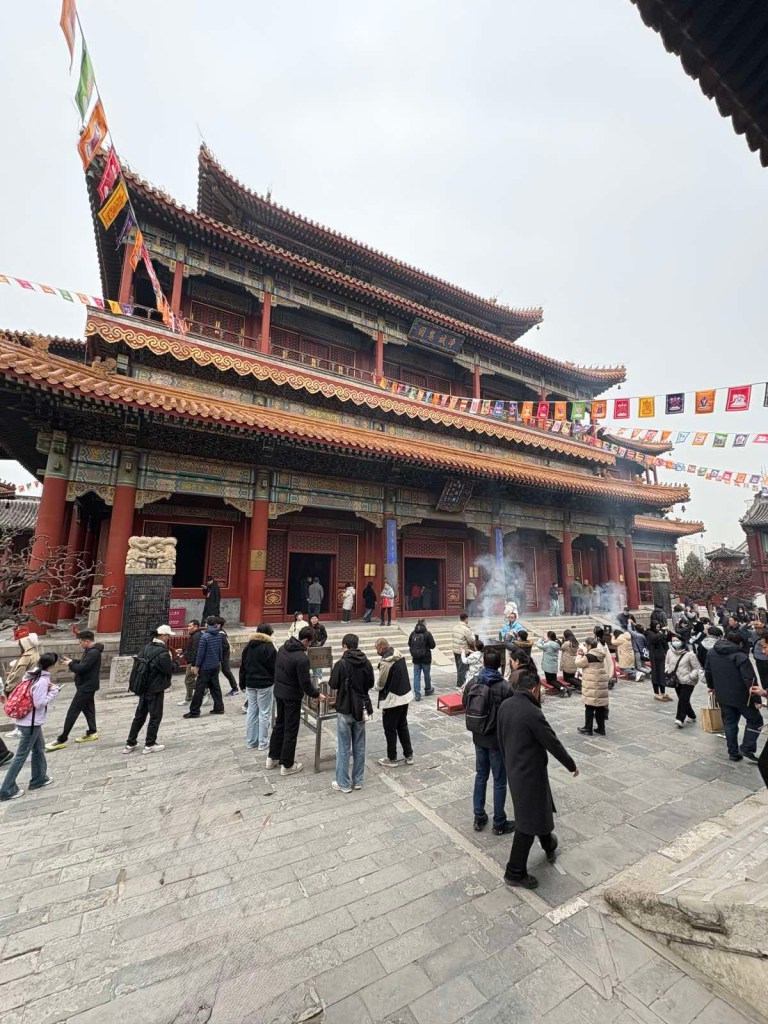
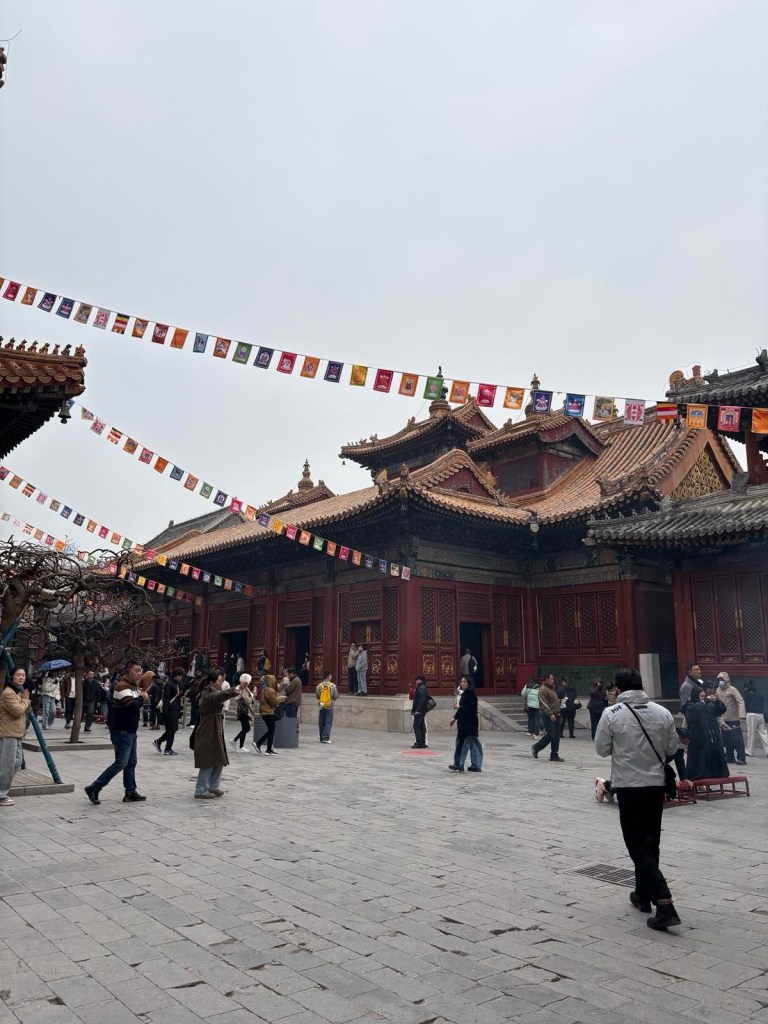
A light drizzle started while we were there, so D and I decided to leave and took a DiDi to Raffles City Beijing for lunch. I had a fish hotpot, which was really good and perfect for the weather. Next to the Peking Duck dinner this was a big food highlight for me.

After lunch, we went back to the hotel briefly to freshen up before heading out again for the main activity of the day: visiting the Great Wall. We had booked a private tour through Viator, and our guide Alvin met us at the hotel lobby right on time.
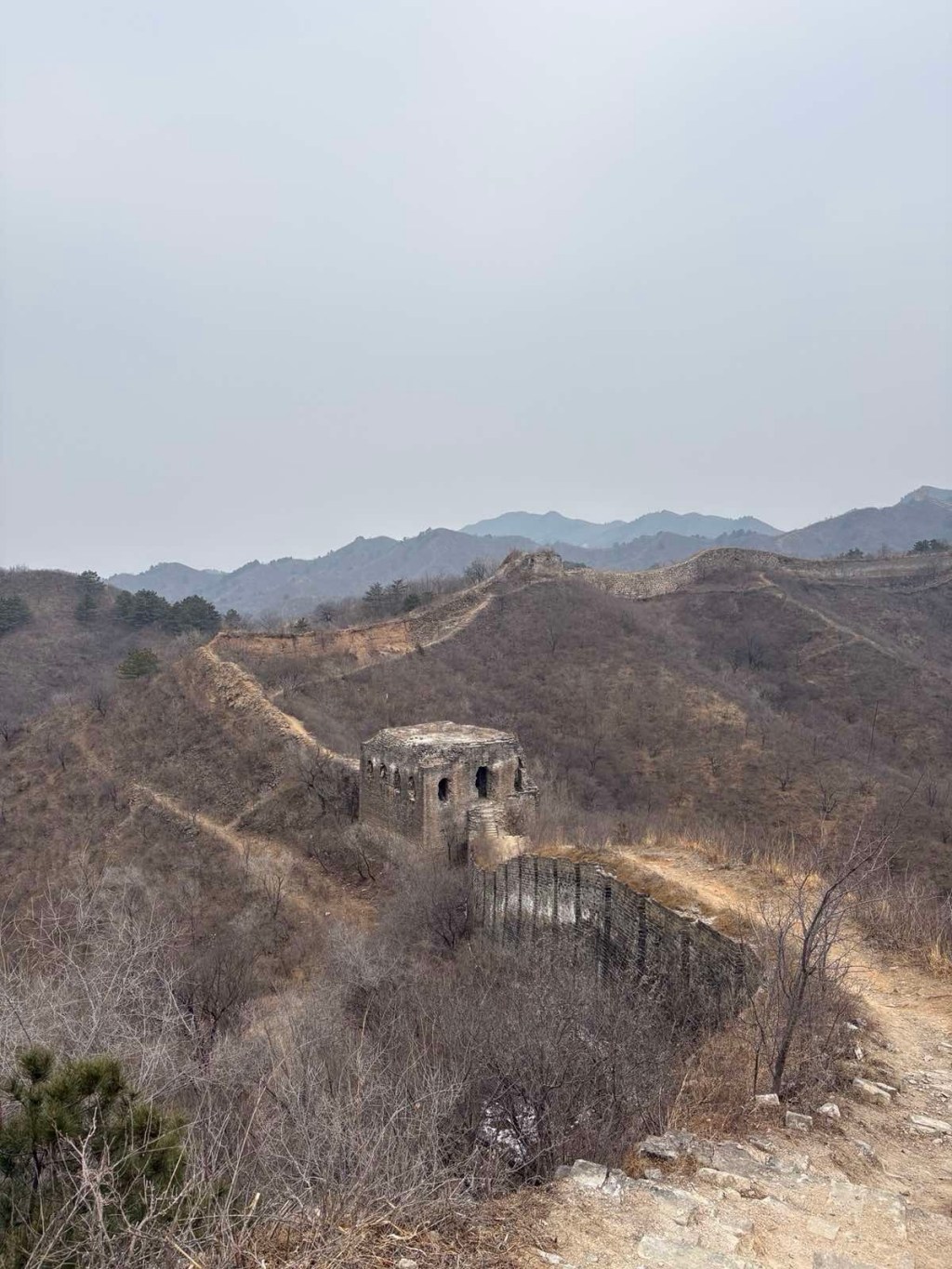
We drove for about two hours to the Gubeikou Great Wall. When we arrived, there were no other cars in the parking lot, which already made the experience feel more relaxed. Alvin explained the route, which was around 3 kilometers. We originally planned to continue toward Jinshanling, but due to ice on the path, that wasn’t possible.
We started by heading up to the General Tower. Along the way, I read about weathering, or erosion, which explains the visible wear on the bricks. Over time, natural elements like wind, water, and temperature changes gradually break down the structure.
From the General Tower, we could see the surrounding mountains and how the wall stretches across them. There was also a short note explaining that one of the earliest modern images of the Great Wall appeared in a copperplate engraving published in 1796 by George Staunton, based on a watercolor of the area near Gubeikou from William Parish’s field observations.
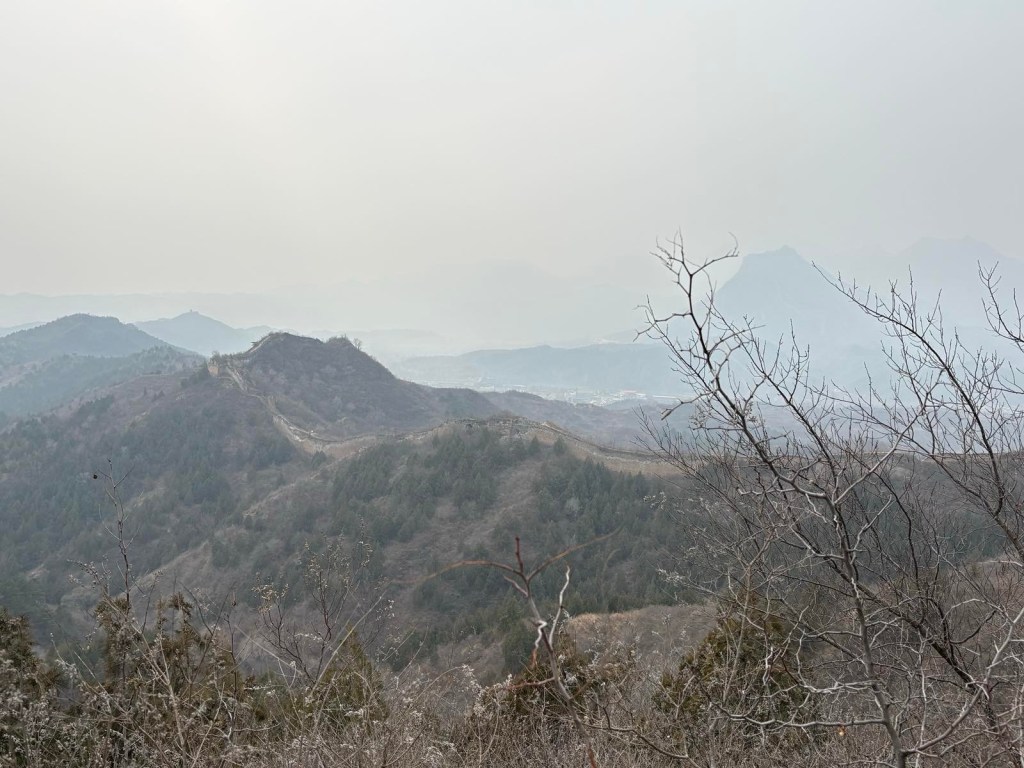
We continued walking toward the Haowang Tower. Along this part of the wall, we learned about beacon towers, which were used in ancient China to send military signals. Smoke was used during the day and fire at night, and the number of signals could indicate the size of an approaching force. These towers were placed strategically so they could relay messages over long distances.
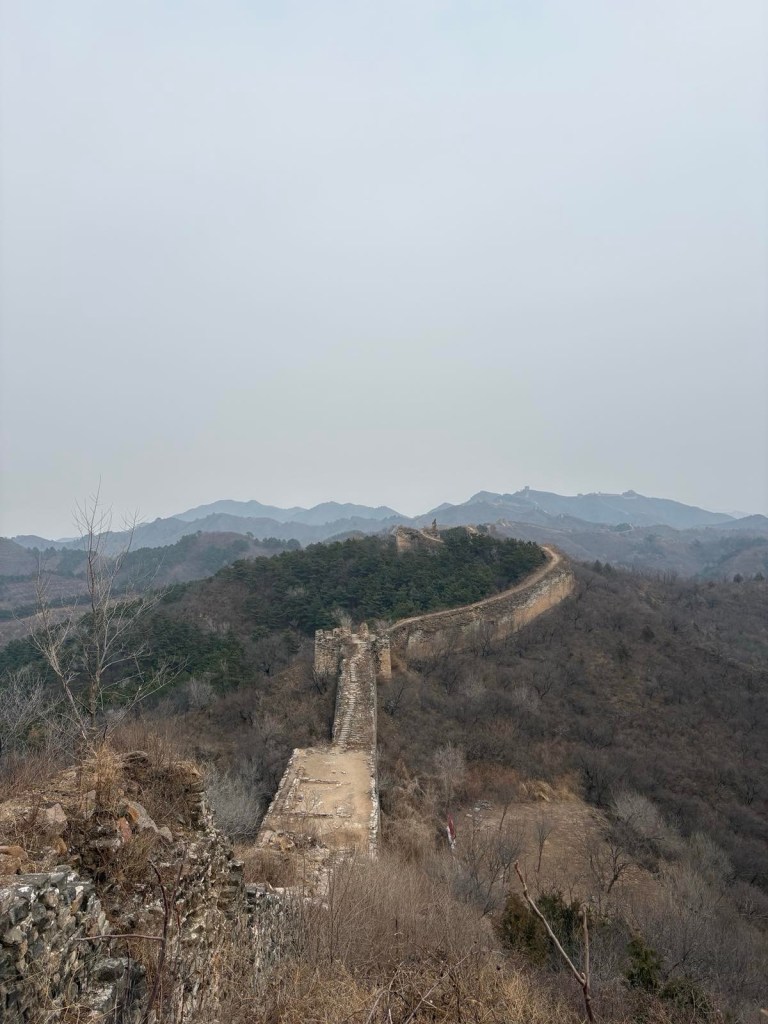
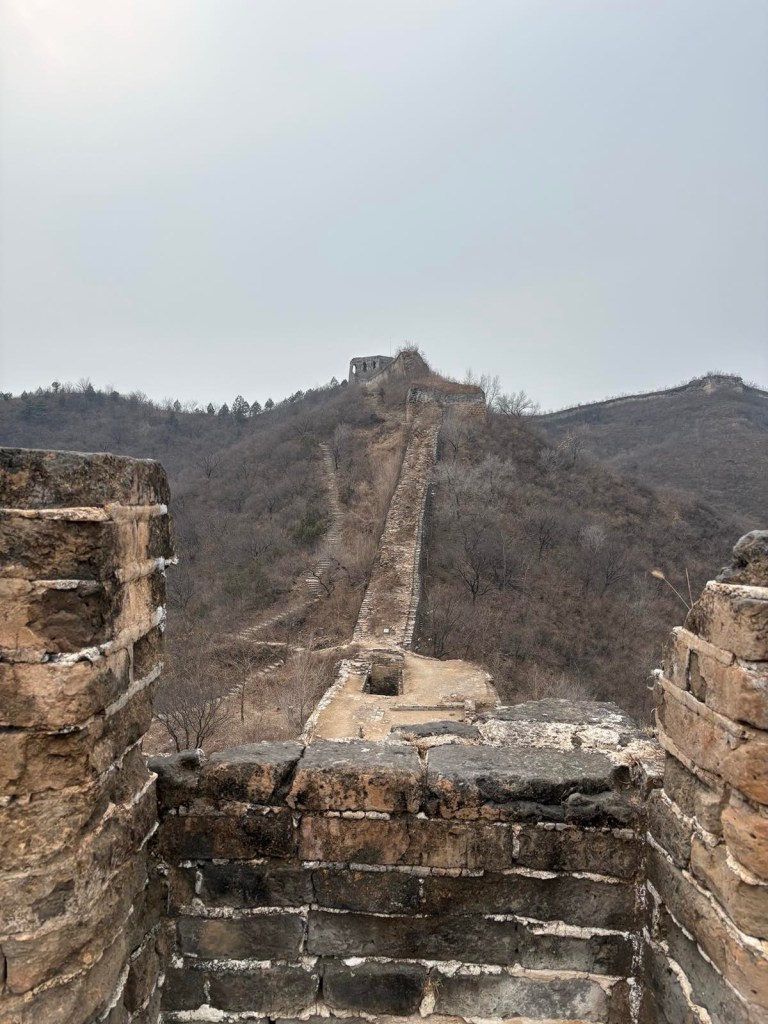
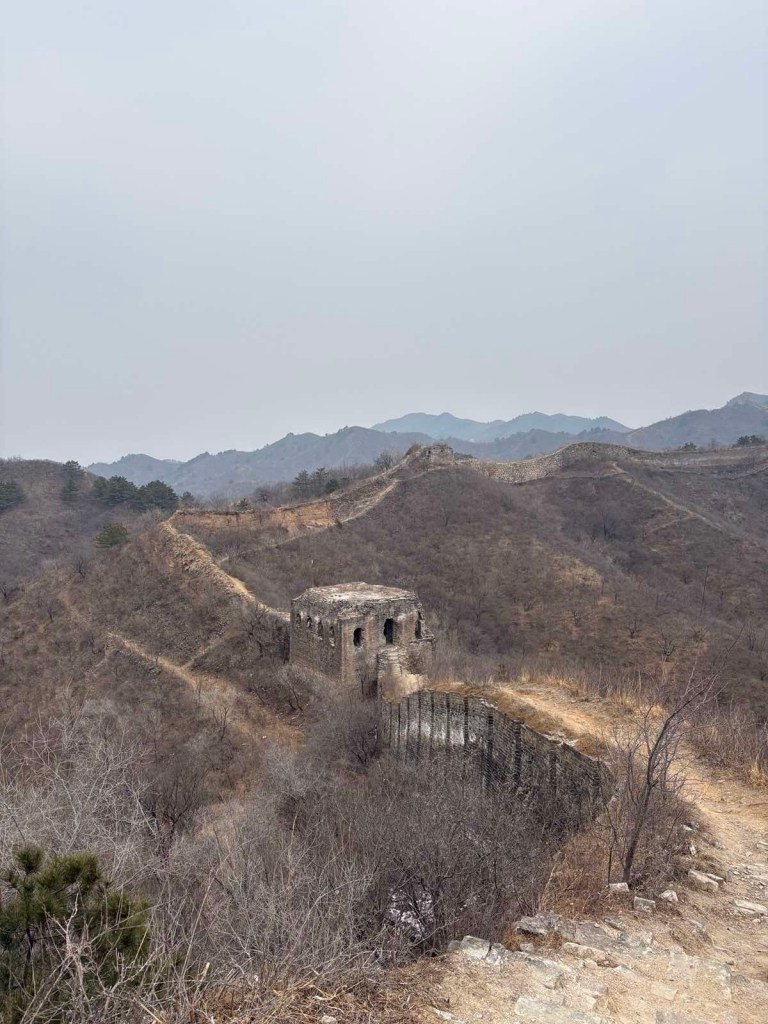
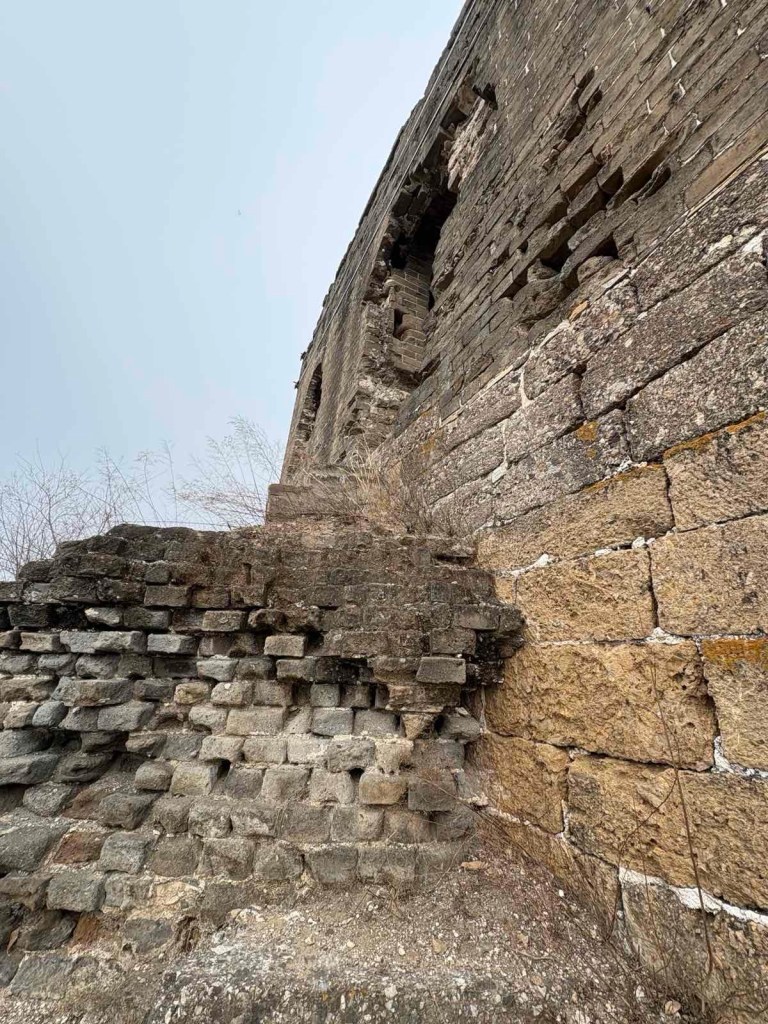
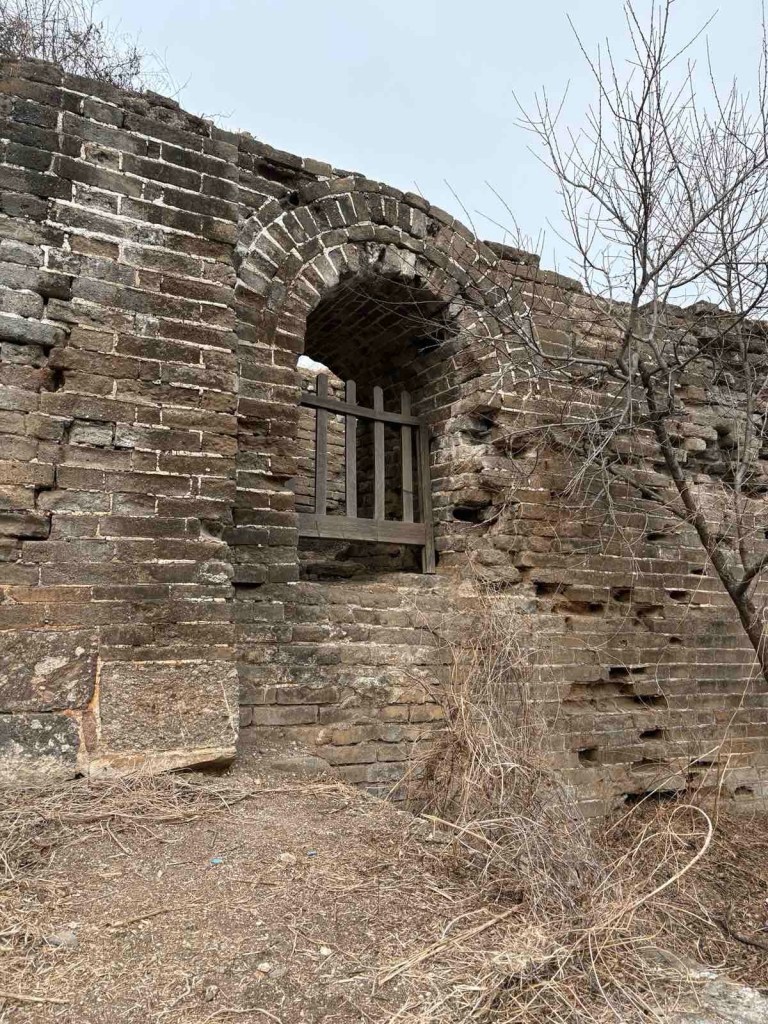
For most of the walk, it was just the two of us, which made the experience feel more personal. Seeing the Great Wall in a quieter and less crowded section gave us a different perspective compared to the more popular areas.
After a couple of hours D and I made our way back to the parking lot where Alvin was waiting for us, talking to the gatekeeper. On our way back to Beijing City I could not help but feel grateful for having seen and walked on the Great Wall. That trip was truly memorable. It was a simple but memorable way to experience one of China’s most well-known landmarks.


 Making Each Day Count
Leave a reply to Lynette d’Arty-Cross Cancel reply